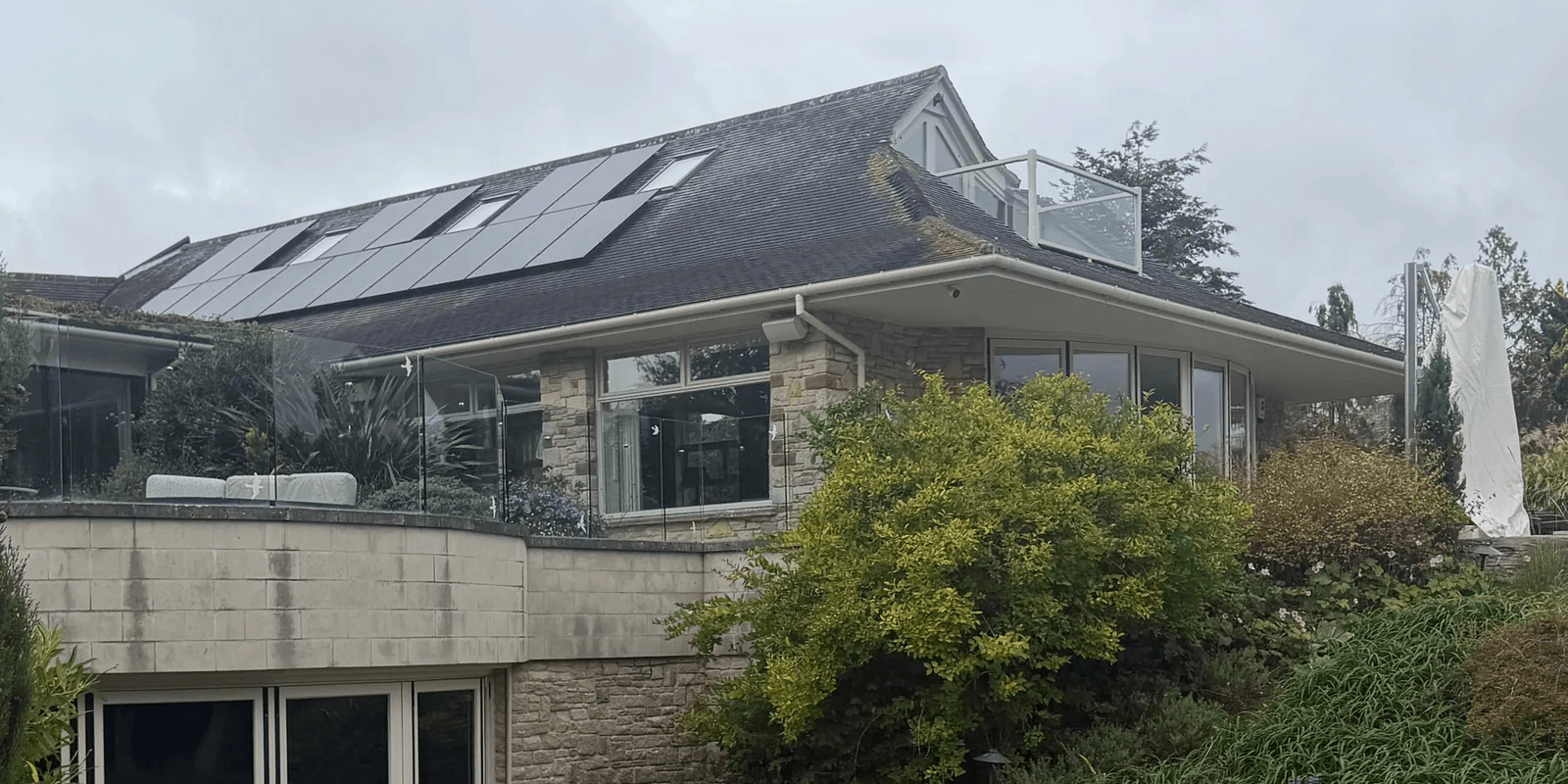
Solar Panel Maintenance for Landlords: A UK Compliance Guide
Last updated: 8 November 2026 | By Henry, CMO of No1 Solar Care
If you own a rental property with solar panels fitted, you have responsibilities that go well beyond simply leaving them on the roof and hoping for the best. Solar panel maintenance for landlords in the UK sits at the intersection of property law, energy regulation and basic duty of care, and getting it wrong can cost you far more than a routine service ever would. Whether you manage a single buy-to-let in Bournemouth or a portfolio of properties across the South Coast, this guide will help you understand exactly what you need to do, why it matters and how to stay on the right side of your obligations.
Why Landlords Have a Different Set of Responsibilities
Owner-occupiers can, in theory, make their own decisions about how often they maintain their solar panels. As a landlord, you don't have that luxury. You're responsible for the fabric of the building and the systems installed within it, and solar panels are no different to a boiler or electrical installation in that regard. If a panel becomes loose in high winds and injures someone, or a faulty inverter causes a fire risk, your tenants could be in danger and you could face serious legal consequences.
The Health and Safety Executive is clear that landlords must ensure their properties are safe, and this extends to electrical equipment on the roof. Solar PV systems are live electrical installations. They generate DC electricity the moment daylight hits them, which means there is no safe way to simply switch them off during an inspection the way you might isolate a plug socket. That fact alone makes professional maintenance essential rather than optional.
Beyond safety, there's also the matter of tenant rights. Under the Landlord and Tenant Act 1985, landlords must keep the structure and exterior of the property in good repair. Solar panels are fixed to the roof structure, so any damage caused by poorly maintained panels, whether to the roof itself or to water ingress from degraded mounting systems, falls squarely on the landlord.
What UK Regulations Actually Require
There's no single piece of legislation that says "landlords must service solar panels every 12 months," but the regulatory picture still creates strong obligations. Energy Performance Certificates are a good place to start. Under current rules, most rental properties in England must have an EPC rating of E or above to be legally let. The government has proposed raising this minimum to C for new tenancies, a change that would make solar panels even more valuable as a compliance tool. You can check a property's current certificate on the EPC register.
The catch is that solar panels only contribute meaningfully to an EPC rating if they're actually working properly. A system that's lost 20 to 30 percent of its output through dirty panels, degraded cells or inverter faults may not deliver the generation figures that your EPC assessment assumed. If Ofgem or a local authority ever scrutinised the real-world performance of your system against the certified figures, a poorly maintained installation could create problems.
Landlords receiving Feed-in Tariff payments on legacy systems, or exporting under the Smart Export Guarantee, also have a commercial incentive to maintain their systems. A system generating at 70 percent capacity because of neglect is losing you real money every month.
Solar Panel Maintenance Landlord UK: What a Proper Inspection Covers
Many landlords assume solar panels are maintenance-free. The manufacturers' warranties and the original sales pitch often encouraged this impression. In reality, solar PV systems need regular attention to perform safely and efficiently over their 25-year lifespan.
A professional inspection should cover several key areas. The panels themselves need to be checked for microcracks, delamination, discolouration and soiling. On the South Coast, properties close to the sea face accelerated panel degradation from salt air deposits, and a visual check alone won't catch everything. As we explain in our guide on how salt air damages solar panels on the South Coast, the chemical effects on aluminium frames and cell surfaces can quietly reduce output over time.
The inverter is often where faults first appear. It's the most mechanically complex part of the system and the component most likely to fail before the panels themselves. An inspection should include checking inverter error logs, testing DC and AC output, and verifying that the system is communicating correctly with any monitoring equipment. If you've ever wondered about common faults, our inverter troubleshooting guide covers the most frequent issues in detail.
Mounting systems and roof fixings need checking too. Over several years, fixings can loosen, rubber seals can perish and flashing around penetrations can lift slightly, creating potential water ingress points. On a rental property, these issues could go completely unnoticed by tenants until damage has already occurred.
Finally, the DC isolators, cabling, junction boxes and earthing connections all need to be inspected. These are live components and this is precisely why working on solar panels is classed as working with electrical systems at height, a combination that requires proper training and equipment.
The Case for Annual Servicing on Rental Properties
For most landlords, an annual service makes both practical and financial sense. The Energy Saving Trust recommends regular maintenance checks for solar PV systems to ensure optimal performance, and for rental properties the argument is even stronger because you won't necessarily be aware of problems the way an owner-occupier living in the property would be.
Tenants are unlikely to monitor your inverter app or notice that output has dropped by 15 percent. By the time a fault is obvious enough for a tenant to report it, you could have lost months of generation and export income. For landlords in Dorset and Hampshire with systems installed during the early Feed-in Tariff boom years of 2011 to 2014, those systems are now over a decade old. Components age, warranties expire and the risk of undetected faults increases every year.
Our Solar MOT service is designed specifically for this kind of situation. It gives you a documented, professional assessment of your system's condition, which is exactly the kind of evidence you'd want if a tenant ever raised a concern or if an insurance claim involved the solar installation. Think of it as the same logic as an annual gas safety check: not because the law demands it in those exact terms, but because it's the responsible thing to do and it protects you if anything goes wrong.
You can find a broader breakdown of what professional servicing involves and what it typically costs in our article on solar panel maintenance costs in the UK.
Handling Repairs on Rental Properties
When something does go wrong with a solar installation on a rental property, the repair obligation sits with you as the landlord, not the tenant. That's true whether it's a cracked panel from storm damage, a failed inverter or a mounting bracket that's come loose.
Storm damage is a particular concern on the South Coast, where Atlantic weather systems bring strong winds and driving rain. After any significant storm event, it's worth arranging a visual inspection even if the tenant hasn't reported anything obvious. Our article on what to do after storm damage to solar panels covers the steps to take and how insurance typically responds.
For older systems, particularly those installed by companies that no longer exist, finding replacement parts and qualified engineers can be a challenge. If your original installer has gone under, you're not without options, but you do need to work with someone who can properly assess the system regardless of who installed it. Our guide on what happens when your solar installer goes bust walks through the practical steps.
For repairs on the South Coast more broadly, including typical costs and what the process looks like, see our article on solar panel repair on the South Coast.
Cleaning, Bird Proofing and Seasonal Considerations
Cleaning is often the most straightforward aspect of solar maintenance, but it's also the one most landlords overlook. Dirty panels can lose between 15 and 25 percent of their output, according to data from the solar industry, and on a rental property there's nobody routinely on the roof to notice the build-up of grime, moss, lichen or bird droppings.
Properties in Bournemouth and across the wider South Coast tend to sit beneath busy seagull flight paths, which means bird fouling is a genuine and persistent problem. A single concentrated dropping left on a panel for several weeks can cause a localised hot spot that permanently damages the cell beneath it. Beyond cleaning, birds nesting under solar panels is a separate issue that can cause significant damage to wiring and void certain manufacturer warranties if left unaddressed.
Seasonally, the South Coast benefits from better solar irradiance than much of the UK, which is part of why Bournemouth is one of the best places in the UK for solar. But making the most of that advantage requires the system to be clean and functioning correctly. Scheduling a clean and inspection in early spring before the high-generation summer months is good practice for any landlord.
Insurance, Warranties and Documentation
One area where landlords often find themselves in a difficult position is insurance. Standard buy-to-let policies may not automatically cover solar panels, particularly for theft, damage or public liability arising from panel failure. It's worth checking your policy wording carefully and speaking to your broker about whether solar-specific cover is included or needs to be added. Our guide on solar panel insurance for UK homes covers what to look for.
Documentation matters more than most landlords realise. If you ever need to make an insurance claim, sell the property or demonstrate compliance with a tenant complaint, having a paper trail of annual inspections, cleaning records and any repairs carried out is invaluable. A Solar MOT from a qualified engineer produces exactly that kind of written record. It's the difference between being able to say "the system was professionally inspected six months ago and given a clean bill of health" and having nothing to show at all.
For systems still on the Feed-in Tariff, keeping maintenance records also supports your position with Ofgem should your generation figures ever be queried. The scheme requires that the equipment remains in good working order, so neglecting maintenance could, in theory, create complications with your payments.
If you're considering buying a property with solar already installed, or selling one, documentation becomes even more important for the conveyancing process. Our article on buying a house with solar panels is useful reading for both sides of that transaction.
Frequently Asked Questions
How often should a landlord arrange solar panel maintenance in the UK?
Most solar specialists recommend an annual inspection for rental properties, with a professional clean at least once a year and ideally twice for properties on the South Coast where salt air and bird fouling are persistent issues. Annual servicing also creates a documented record of due diligence, which matters if something goes wrong.
Is solar panel maintenance a landlord's legal responsibility in the UK?
There's no single law that specifies solar panel servicing intervals, but landlords have clear duties under the Landlord and Tenant Act 1985 to keep the structure and exterior of a property in good repair. Solar panels are part of the roof structure, and as electrical systems they also fall under general health and safety obligations. Neglecting them could expose a landlord to liability.
Can tenants claim rent deductions if solar panels stop working?
If solar panels were included in the tenancy agreement as a benefit of the property, a tenant could potentially argue that a fault constitutes a failure to maintain the property in agreed condition. While case law in this area is still developing, landlords are better protected by addressing faults quickly and keeping service records.
Who is responsible for solar panel maintenance if the tenant pays reduced rent in exchange for the electricity?
Even in rent-to-energy arrangements or informal agreements where tenants benefit from lower bills in return for hosting the panels, the maintenance responsibility remains with the landlord as the property owner. The Citizens Advice recommends that any such arrangements are clearly documented in the tenancy agreement.
What is a Solar MOT and why is it useful for solar panel maintenance landlord UK purposes?
The Solar MOT service is a comprehensive inspection of a solar PV system carried out by qualified engineers. It covers panels, inverter, cabling, fixings and electrical connections, producing a written report on the system's condition. For landlords, it creates the kind of formal documentation that demonstrates responsible property management.
Do solar panels affect a rental property's EPC rating?
Yes, solar panels can significantly improve an EPC rating, which matters because minimum EPC standards for rental properties are expected to tighten in the coming years. However, a poorly maintained system that's underperforming may not contribute as much as the EPC assessment assumed. Keeping the system well maintained helps ensure the property retains its certified energy rating.
What should a landlord do if a solar panel is damaged between annual inspections?
Arrange a professional assessment as soon as possible. Damaged panels can develop hot spots, create electrical risks or allow water into the mounting system. Don't rely on a visual check from the ground. If the damage followed a storm, contact your insurer promptly and document everything with photographs before any work takes place.
Book a Solar MOT at no1solarcare.co.uk/solar-mot or call 01202 023069.