Solar Panel Repair on the South Coast: Costs, Process and What to Expect
If you've noticed your energy bills creeping up or your solar system isn't generating the output it once did, you're probably searching for solar panel repair near me to find a local specialist who can help. For homeowners across Bournemouth, Dorset, Hampshire and the wider South Coast, getting timely repairs can mean the difference between a system that pays for itself and one that becomes an expensive liability.
Solar panels are built to last, with most manufacturers promising 25 years or more of productive life. But like any technology exposed to the British weather year after year, things can and do go wrong. The good news is that most problems are fixable, often at a fraction of the cost of replacement. The key is knowing what to look for, understanding what repairs typically cost, and finding a reputable local company that won't overcharge you.
Why Solar Panels Need Repairs
Solar panel systems are remarkably reliable compared to other home technologies. There are no moving parts in the panels themselves, and modern inverters are designed to run quietly for years without intervention. Yet despite this reliability, repair work remains a regular part of the solar industry.
The South Coast climate plays a role here. Salt air from the English Channel can accelerate corrosion on mounting frames and electrical connections. Autumn storms bring debris that can crack glass or dislodge cables. Even the relatively mild winters we experience in Dorset and Hampshire bring enough frost cycles to stress seals and fixings over time.
Beyond weather damage, many repair calls stem from installation issues that only become apparent years later. During the solar boom of 2010 to 2015, some installers cut corners or used substandard components to keep prices competitive. These systems are now reaching the age where those compromises show up as faults.
Internal component degradation also accounts for a significant portion of repair work. Inverters typically last 10 to 15 years, meaning many systems installed during the Feed-in Tariff era are now due for inverter replacement. DC isolators, which act as safety switches, are another common failure point. These components sit on your roof exposed to the elements and can develop water ingress or contact failures.
Common Solar Panel Faults We See on the South Coast
Understanding what might be wrong with your system helps you have an informed conversation with any repair company you contact. Here are the issues we encounter most frequently when attending call-outs across Bournemouth and the surrounding areas.
Inverter Failures
The inverter converts the DC electricity your panels generate into AC electricity your home can use. When an inverter fails, your entire system stops producing usable power. Warning signs include error codes on the display, unusual buzzing noises, and a complete absence of generation even on sunny days.
Some inverter problems can be fixed with a simple reset or firmware update. Others require component replacement or a full inverter swap. The age and brand of your inverter heavily influences repair options. Older models may have discontinued parts, making replacement the only practical choice.
DC Isolator Faults
DC isolators are mandatory safety devices fitted to all solar installations. They allow the DC current from your panels to be safely disconnected for maintenance or emergencies. Unfortunately, they're also one of the most failure-prone components in a solar system.
Water ingress is the primary cause of DC isolator failure. Once moisture gets inside, corrosion builds on the contacts, leading to overheating, arcing, and in severe cases, fire risk. If your DC isolator shows any signs of discolouration, melting, or burning smells, treat it as urgent. Switch off your system at the consumer unit and call a specialist immediately.
Panel Damage and Microcracks
Physical damage to panels ranges from obvious cracks visible from the ground to microscopic fractures that only show up under specialist testing. Large cracks usually result from impact damage, whether from fallen branches, kicked-up stones, or the occasional wayward seagull dropping something heavy.
Microcracks are more insidious. They develop gradually through thermal cycling and mechanical stress, slowly reducing panel output without any visible indication. A panel with extensive microcracking might only produce 70% of its rated capacity while looking perfectly normal to the naked eye.
Connection and Wiring Issues
Every solar installation involves numerous electrical connections, from the MC4 plugs joining panels together to the junction boxes on each panel's underside. Any of these connection points can develop faults over time.
Loose connections create resistance, which generates heat, which loosens connections further. Left unchecked, this cycle can lead to complete connection failure or fire. Rodent damage is another common cause of wiring problems, particularly where cables run through loft spaces.
Bird Nesting and Pest Damage
Pigeons love the sheltered gap between solar panels and roof tiles. It's dry, warm, and protected from predators. Unfortunately, pigeon nests cause real problems for solar systems. Droppings are acidic and can damage panel surfaces and frames. Nesting material can block ventilation, causing panels to overheat. The birds themselves can peck at cables and seals.
Across Hampshire and Dorset, we regularly attend properties where bird activity has caused or contributed to electrical faults. Installing bird-proofing mesh as part of any repair work prevents recurrence.
Solar Panel Repair Near Me: What Does It Actually Cost?
Cost is usually the first question homeowners ask, and rightly so. Solar panel repairs can range from under a hundred pounds for simple fixes to several thousand for major component replacements. Here's a realistic breakdown of what you might expect to pay on the South Coast.
Diagnostic visits typically cost between £75 and £150. This covers the engineer's time to attend your property, inspect the system, run tests, and provide a report on what's wrong. Some companies waive this fee if you proceed with their recommended repairs.
DC isolator replacement usually falls in the £150 to £300 range, depending on the isolator type and roof access difficulty. This includes parts and labour.
Inverter replacement is where costs climb significantly. A new string inverter for a typical domestic system costs £800 to £1,500 fitted, depending on the brand and capacity. Microinverter replacements are cheaper per unit but you may have multiple units needing attention.
Panel replacement costs vary widely based on panel specifications. Matching older panels can be tricky, as manufacturers discontinue models regularly. Budget £200 to £400 per panel including fitting, though this can be higher for premium brands or unusual sizes.
Bird proofing runs £300 to £600 for most installations, depending on system size and roof complexity. This investment pays off by preventing future damage and the associated repair costs.
Rooftop wiring repairs typically cost £150 to £350 for straightforward cable replacements. More complex rewiring involving junction boxes or conduit work will cost more.
Why Prices Vary Between Companies
When comparing quotes, remember that solar repair pricing reflects more than just parts and labour. Reputable companies carry proper insurance, employ certified electricians, and invest in diagnostic equipment. They also stand behind their work with meaningful warranties.
Cheaper quotes sometimes come from companies that cut corners on safety or lack the expertise to diagnose problems properly. We've attended many call-outs where previous repair attempts have failed because the underlying fault was misidentified.
The Repair Process: What to Expect
Knowing what happens during a repair visit helps you prepare and ensures you can ask the right questions. Here's how a typical repair unfolds.
Initial Assessment and Diagnosis
The engineer will start by gathering information about your system and the problems you've noticed. They'll ask when the issues started, whether anything has changed recently, and what symptoms you've observed.
Next comes visual inspection of the panels, mounting system, and accessible components. The engineer will check for obvious damage, signs of water ingress, and evidence of pest activity.
Electrical testing follows. Using specialist equipment, the engineer will measure voltages, currents, and insulation resistance at various points in the system. This data helps pinpoint where faults are occurring.
For more complex problems, thermal imaging can reveal hotspots caused by failing connections or damaged cells. Electroluminescence testing can expose microcracks invisible to the naked eye.
Reporting and Quotation
Once diagnosis is complete, you'll receive a clear explanation of what's wrong and what needs fixing. A good engineer will explain the options available, including any temporary measures to keep your system safe until repairs can be completed.
You should receive a written quote detailing exactly what work will be done, what parts will be used, and what it will cost. This quote should be fixed, not an estimate that might inflate once work begins.
Carrying Out Repairs
Simple repairs may be completed during the initial visit if the engineer has the necessary parts. More complex work usually requires a follow-up appointment.
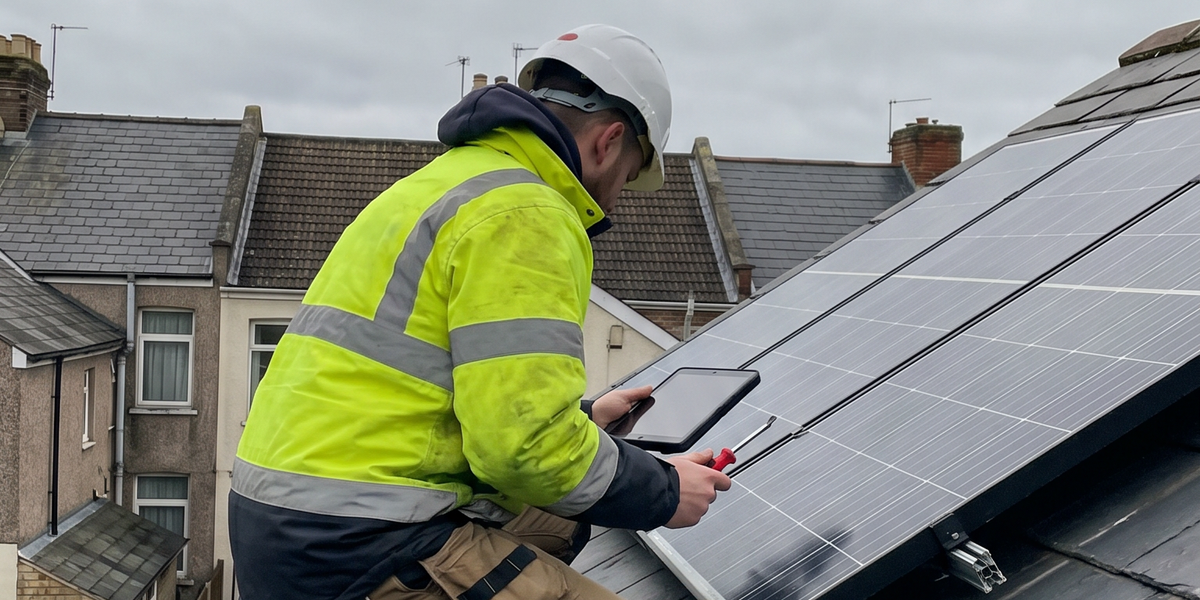
Roof work requires appropriate safety equipment and often an assistant. Reputable companies won't let engineers work alone at height. Electrical work must be completed by qualified personnel and may require notification to your Distribution Network Operator for certain modifications.
After repairs, the engineer will test the system thoroughly to confirm everything is working correctly. They'll also check generation data if your system has monitoring capability.
Documentation and Aftercare
You should receive documentation of all work completed, including any replaced components and test results. This paperwork is valuable for warranty claims and when selling your property.
Good repair companies offer aftercare support, answering questions if something doesn't seem right after they leave. Warranty terms for repairs vary, so clarify what's covered and for how long.
The Value of Regular Maintenance
Many repair call-outs we attend could have been prevented with regular maintenance. Small problems caught early cost far less to fix than faults left to develop over months or years.
No1 Solar Care's Solar MOT provides a comprehensive annual check of your entire system. This inspection covers visual assessment, electrical testing, performance analysis, and cleaning if required. We identify developing issues before they become expensive failures and provide clear recommendations prioritised by urgency.
For South Coast homeowners, scheduling your Solar MOT in spring makes sense. Your system is about to enter its highest-production period, and any faults fixed now will have maximum impact on your annual generation.
Choosing a Solar Repair Company on the South Coast
Not all solar repair companies are equal. Here's how to separate the professionals from the chancers.
Qualifications and Accreditations
Any company working on solar electrical systems should employ MCS-certified installers or equivalent. This certification demonstrates competence in solar-specific work, not just general electrical skills.
Membership of trade bodies like Solar Energy UK provides additional assurance. These organisations have codes of practice and complaint procedures that protect consumers.
Local Knowledge and Presence
A company based locally will reach you faster for urgent repairs and knows the specific challenges of your area. Bournemouth-based companies understand the salt air issues affecting coastal properties and the common problems affecting installations done by local installers who are no longer trading.
Local presence also means accountability. A company with roots in the community has more invested in maintaining their reputation than a national outfit that might send different contractors each time.
Reviews and References
Online reviews give useful insight into how a company treats its customers. Look for patterns in feedback rather than fixating on individual comments. How does the company respond to criticism? Do they resolve problems or make excuses?
Ask for references from previous repair customers if you want extra reassurance. Any confident company will provide these.
Transparency on Pricing
Avoid companies reluctant to give clear pricing information upfront. While exact costs may depend on diagnosis, a reputable repairer will give you realistic ranges based on the symptoms you describe.
Watch out for call-out fees that seem designed to lock you into using that company for repairs regardless of price. A fair diagnostic fee is reasonable; an excessive one is a warning sign.
When Repair Isn't the Best Option
Sometimes repair doesn't make financial sense. If your system is very old and multiple components are failing, the cumulative repair costs might exceed the value of remaining generation.
Similarly, if your panels are severely degraded, investing in repairs might just postpone an inevitable replacement. Modern panels are significantly more efficient than those installed ten years ago. A partial system upgrade could generate more power at lower cost than keeping an underperforming system limping along.
A thorough assessment like our Solar MOT gives you the information needed to make this decision. We'll tell you honestly whether repairs make sense or whether you'd be better served by an upgrade. Our free 60-second solar health check is a useful starting point if you're not sure where to begin.
Frequently Asked Questions: Solar Panel Repair on the South Coast
How do I find reliable solar panel repair near me on the South Coast?
Start by checking for MCS certification and membership of recognised trade bodies. Look for companies with a physical presence in your area, established track records, and positive customer reviews. Local companies based in Bournemouth, Dorset or Hampshire will understand regional conditions and respond faster to call-outs than distant national firms.
How much does a typical solar panel repair cost?
Costs vary depending on the fault. Simple fixes like replacing a DC isolator might cost £150 to £300. Inverter replacement typically runs £800 to £1,500 fitted. Full panel replacement costs £200 to £400 per panel. Diagnostic visits usually cost £75 to £150, sometimes waived if you proceed with repairs.
How long do solar panel repairs usually take?
Simple component replacements can often be completed within a couple of hours during a single visit. More complex repairs requiring specialist parts may need a follow-up appointment once components are sourced. Major work like inverter replacement or extensive rewiring typically takes half a day to a full day.
Will repairing my solar panels affect my warranty?
Using a qualified, certified repair company should not void your panel or system warranties. However, attempting DIY repairs or using unqualified contractors can invalidate manufacturer coverage. Always check your warranty terms and choose repairers with appropriate credentials and insurance.
How often should I have my solar panels inspected?
Annual inspections are recommended for most systems. This catches developing faults before they cause significant problems. Systems older than ten years or those in challenging locations may benefit from more frequent checks. Regular inspections also maintain evidence of proper care for insurance purposes.
Can I repair solar panels myself?
DIY solar repairs are strongly discouraged. Working at height carries obvious risks, and solar electrical systems involve potentially lethal voltages. Improper repairs can cause fires, void warranties, and may breach building regulations. Always use qualified professionals for any work beyond basic cleaning from ground level.
What should I do if I suspect a fault with my solar system?
Check your generation monitoring if available and note any error codes displayed on your inverter. If you suspect an electrical fault, switch off the system at your consumer unit as a precaution. Contact a qualified solar repair company promptly. Avoid touching any components that appear damaged, discoloured, or unusually hot.
Book your Solar MOT today. Call 01202 023069 or visit no1solarcare.co.uk/solar-mot