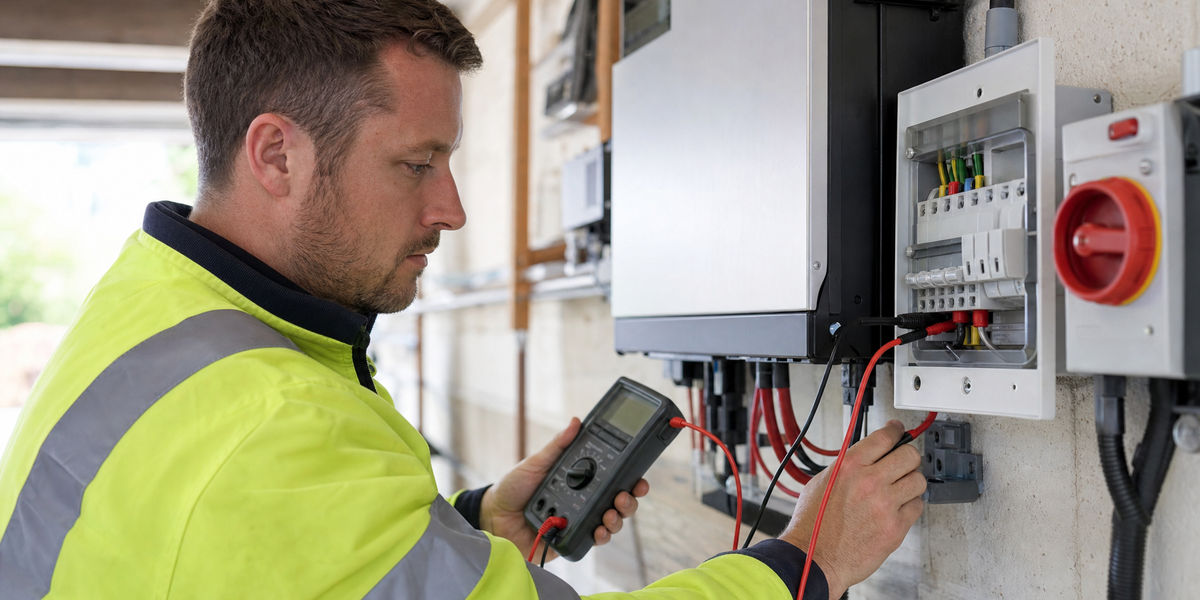
Are Your Solar Panels Covered by Home Insurance? A UK Guide
If you have solar panels on your roof, you're probably generating free electricity, reducing your bills and feeling pretty good about the whole arrangement. But there's one question a surprising number of homeowners have never properly answered: are your panels actually covered by your home insurance? The rules around solar panel insurance UK home policies apply to can be genuinely confusing, and getting it wrong could leave you facing a very expensive repair bill with nowhere to turn.
This guide walks you through everything you need to know about how home insurance treats solar panels in the UK, what standard policies typically cover, where the gaps are, and how to make sure you're properly protected.
Does Standard Home Insurance Cover Solar Panels?
The short answer is: it depends on your insurer, and you should never assume. Most standard home insurance policies in the UK will include solar panels as part of the buildings insurance element, since the panels are fixed to the structure of your property. That means if a storm rips a panel from your roof, fire causes damage, or a falling tree lands on your array, you'd typically make a claim against your buildings insurance just as you would for damage to the roof tiles beneath them.
However, a significant number of insurers either exclude solar panels entirely from standard policies or apply conditions that many homeowners never read. Some policies treat panels as a home improvement that increases the rebuild value of the property, meaning you may need to update your declared sum insured when you have them installed. Fail to do that, and you could find yourself underinsured at claim time.
Citizens Advice recommends checking your policy wording carefully whenever you make a significant change to your property, and solar installation absolutely counts as a significant change. If you installed your panels and never told your insurer, now is the time to make that call.
What Solar Panel Insurance UK Home Policies Usually Cover
When solar panels are included in a home insurance policy, coverage tends to fall into a few clear categories. Fire and storm damage are the most commonly covered events, along with other sudden accidental damage such as a roof tile cracking a panel or vandalism. If your panels are covered under the buildings section of your policy, the insurer is typically paying for the repair or replacement of the physical panel units and the associated mounting hardware.
Contents insurance is a different matter entirely. Inverters are sometimes installed inside a loft or garage, and whether those fall under buildings or contents can vary by policy. It's worth knowing exactly where your inverter is located and asking your insurer how they classify it. If you've ever encountered problems with your inverter, you'll know how critical that component is to the whole system. Our article on solar panel inverter problems and how to troubleshoot them gives a good sense of the costs and complexity involved.
Some insurers also cover loss of earnings or lost generation income if your panels are out of action due to a covered event. This is less common in standard policies but increasingly available as an add-on, particularly for homes with battery storage or those receiving Smart Export Guarantee payments from their energy supplier.
Where the Gaps Tend to Appear
This is where things get uncomfortable. There are several scenarios where homeowners discover their insurance doesn't stretch as far as they thought.
Gradual Deterioration and Wear
Insurance policies are designed to cover sudden, unexpected events, not gradual decline. If your panels slowly lose efficiency over several years due to soiling, micro-cracks, or poor maintenance, that's not something any standard policy will pay out on. Solar panel degradation is a real and measurable process, and while some of it is inevitable, neglect accelerates it significantly. Insurers will not step in to cover costs that result from a lack of upkeep.
Damage Caused by Birds and Pests
Birds nesting under panels is an increasingly common problem across the South Coast, and the damage they cause, including chewed cables, blocked drainage channels and structural wear to mounting frames, is almost never covered by standard home insurance. It tends to be classified as a pest problem rather than accidental damage. If you're dealing with this issue, take a look at our guide on birds nesting under solar panels before the problem gets any worse.
Installer Gone Bust
If your panels were installed by a company that has since closed down, your warranty may be worthless and your insurer may question the quality of the original installation if a fault develops. This is a bigger issue than many people realise. Our dedicated article on what happens when your solar installer goes bust covers your options in detail.
Storm Damage and the Evidence Problem
Storm claims are often disputed. Insurers may argue that damage occurred before the storm, or that the installation was substandard to begin with. Having documentation of your system's condition before a weather event makes an enormous difference to how a claim is handled. Our article on storm damage to solar panels and who pays explains the claims process in full.
Does Your Installer's Warranty Overlap with Insurance?
A common source of confusion is the difference between your home insurance and the warranties that came with your installation. Most solar panel systems come with a manufacturer's product warranty of around 10 to 12 years and a performance guarantee of 25 years. Inverters typically carry a shorter warranty of 5 to 10 years depending on the brand.
These warranties cover defects in the product itself, not damage from external events, and they apply only as long as the manufacturer or installer remains in business and the system has been maintained in accordance with their guidelines. Skipping servicing can actually void a manufacturer's warranty in some cases, which is yet another reason why regular professional checks matter.
For MCS-certified installations, the quality and competence of the installer are verified at the point of installation. If your system was installed by an MCS-accredited firm, you have a stronger paper trail to rely on if a dispute arises. If you're buying a home with existing panels, checking for MCS certification is one of the first things to do, something we cover in detail in our guide to buying a house with solar panels.
How to Make Sure You're Properly Covered
There are several practical steps homeowners across Dorset, Hampshire and the wider South Coast should take to make sure their solar investment is properly protected.
First, contact your insurer and tell them explicitly that you have solar panels, giving them the size of the system in kilowatts and the approximate value of the installation. Ask directly whether the panels are included in your buildings cover, what events are covered, and whether there are any exclusions relating to maintenance or condition.
Second, review your declared rebuild value. Solar panels add to the cost of reinstating a property, and if your buildings sum insured hasn't been updated since installation, you may be underinsured. The Energy Saving Trust notes that a typical rooftop solar system represents a significant capital investment that should be reflected in your home's rebuild cost.
Third, keep records. Store your original installation documentation, any warranty certificates, and records of any servicing or repairs. If you ever need to make a claim, especially after storm damage, having evidence of a well-maintained system in good condition before the event is invaluable.
Fourth, consider specialist solar insurance if your standard policy has gaps. Several UK insurers now offer standalone or add-on solar panel policies that cover things standard home insurance won't, including gradual damage, loss of generation income, and electrical faults within the system.
Why Regular Maintenance Directly Affects Your Insurance Position
This is the part that most homeowners don't connect: maintenance and insurance are directly linked. If you make a claim and the insurer sends a loss adjuster to inspect your roof, one of the first things they'll assess is whether the system was properly looked after. Evidence of neglect, whether that's heavy soiling, corroded mounting hardware, damaged cabling or signs of pest damage left unaddressed, gives an insurer grounds to reduce or reject your claim.
Regular professional inspections create a paper trail that protects you. A Solar MOT from No1 Solar Care covers a thorough inspection of your panels, mounting system, wiring, and inverter, and provides written documentation of the system's condition. For homeowners in Bournemouth and across the South Coast, where salt air accelerates corrosion and winter storms are a genuine risk, that kind of documented evidence can make the difference between a successful insurance claim and a disputed one.
The Met Office consistently records higher wind speeds and more frequent named storms along the South Coast compared to inland areas, which makes the case for proactive maintenance even stronger in this region. We've written extensively about the specific challenges facing solar owners here, including in our guide to how salt air damages solar panels on the South Coast.
For a broader view of what professional servicing involves and costs, the UK solar panel maintenance costs guide breaks it all down clearly.
What to Do After a Storm or Damage Event
If you notice damage to your panels after a storm, don't go on the roof yourself. Working at height on a sloped surface is dangerous, and the Health and Safety Executive is clear that falls from height remain one of the leading causes of fatal workplace accidents in the UK. The same risk applies to homeowners attempting DIY roof inspections.
Instead, document what you can safely see from the ground. Take photographs, note the date, and check your energy monitoring app for any sudden drop in output that would indicate panel damage. Then contact your insurer to start the claims process and arrange a professional inspection to assess the extent of the damage. Our Solar MOT service includes a post-event inspection report that can support your insurance claim.
If you're unsure whether your system has been affected but you haven't seen obvious physical damage, try our 60-second solar health check as a starting point.
Frequently Asked Questions
Is solar panel insurance UK home cover automatic when I install panels?
Not always. Many standard home insurance policies include solar panels under buildings cover, but you must inform your insurer when the system is installed. Failing to declare them could leave you underinsured or give your insurer grounds to reduce a claim. Always check your policy wording and speak to your provider directly.
Do I need to increase my sum insured when I add solar panels?
Yes, in most cases. Solar panels add to the rebuild value of your home, so your buildings sum insured should be updated to reflect the installation cost. If you don't update this figure, you risk being underinsured at claim time, which means your payout could be proportionally reduced even for a valid claim.
Will home insurance cover solar panel damage caused by birds or pests?
Generally not. Pest damage, including cables chewed by birds or squirrels nesting under panels, is typically excluded from standard home insurance as it's considered gradual damage rather than a sudden event. Regular inspections and bird-proofing measures are your best protection against this type of damage.
Can poor maintenance affect my ability to make a solar panel insurance claim?
Yes, it can. Insurers can reject or reduce claims if they find evidence that a system was neglected or poorly maintained. Keeping records of professional servicing, such as a Solar MOT inspection, provides documented proof of good maintenance that strengthens your position if you ever need to claim.
Does home insurance cover lost solar generation income if panels are damaged?
Standard policies rarely cover loss of generation income as a default. Some insurers offer this as an add-on, which is worth considering if you rely on Smart Export Guarantee payments or have a battery storage system. Ask your insurer specifically about business interruption or loss of income cover for your solar array.
Are solar batteries covered by home insurance?
This varies by insurer. A battery storage unit installed inside your home, such as in a garage or utility room, may fall under your contents policy rather than buildings cover. Units mounted externally on a wall are more likely to fall under buildings insurance. Always clarify with your provider exactly how each component of your system is classified.
What should I do if my solar panel installer has gone bust and I need to make a claim?
Start with your home insurer and provide all original installation documentation you hold. If the installer was MCS-certified, contact MCS directly as there may be a complaints or redress route available. You may also have protections if you paid by credit card under Section 75 of the Consumer Credit Act. Our full guide to what happens when your solar installer goes bust covers your options in detail.
Book your Solar MOT today. Call 01202 023069 or visit no1solarcare.co.uk/solar-mot