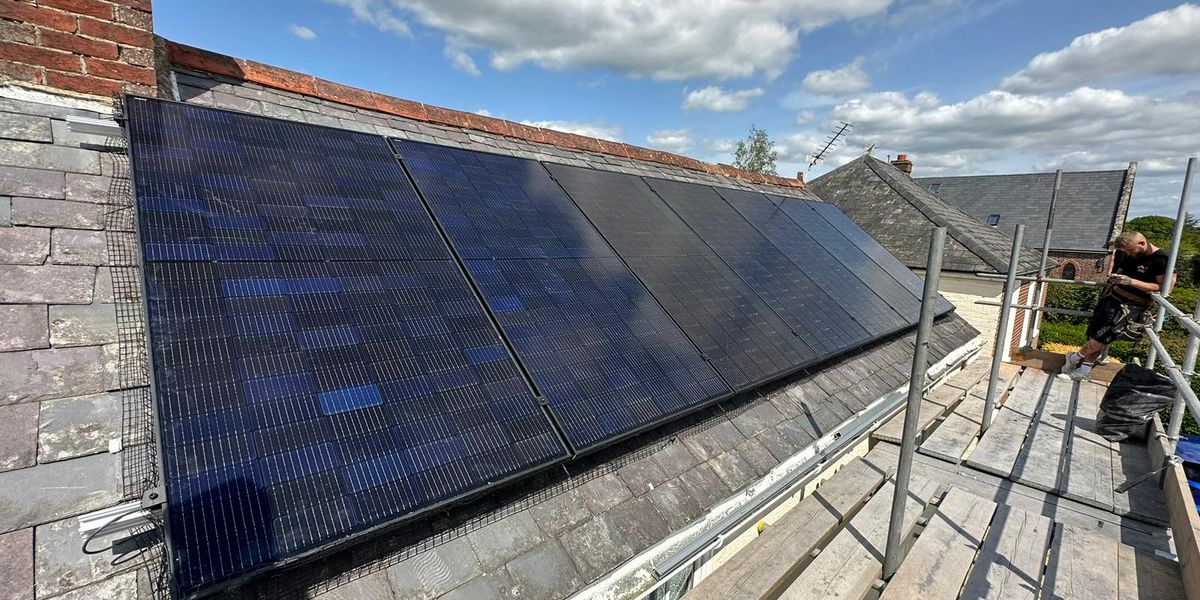
Solar Panel Maintenance Costs in the UK (2026): What Homeowners Actually Pay
If you've invested in solar panels for your home, you're probably wondering about the ongoing costs. The solar panel maintenance cost UK homeowners face varies significantly depending on the type of service, your system size, and your location. Some companies quote surprisingly low figures, while others seem excessive. So what do people actually pay?
We've been maintaining solar installations across Bournemouth, Dorset, and the wider South Coast for years now. In that time, we've seen the market mature, prices stabilise, and homeowners become savvier about what they need versus what they're being sold. This guide reflects what we see on the ground in 2026, not theoretical figures from industry reports written years ago.
Why Solar Panel Maintenance Matters More Than You Think
Solar panels are often sold as maintenance-free, and there's some truth to that. They have no moving parts. They sit there quietly generating electricity. But "low maintenance" doesn't mean "no maintenance."
Over time, several factors reduce your system's output. Dirt accumulation is the obvious one. In coastal areas like Hampshire and Dorset, salt spray creates a film that rainwater alone won't remove. Bird droppings are another common issue, particularly if you live near the sea or have trees nearby. Seagulls along the South Coast cause particular problems, and their droppings are acidic enough to cause permanent staining if left too long.
Beyond dirt, there are electrical components that degrade. Inverters fail. Connections corrode. Mounting brackets loosen. These problems develop slowly, so you might not notice until your electricity bills start creeping up or your export payments drop.
Regular maintenance catches these issues early. A system producing 10% below its capacity might not feel urgent, but over a year that's hundreds of pounds in lost generation. Over five years, you've essentially paid for several professional services through lost output.
Solar Panel Maintenance Cost UK: The 2026 Price Guide
Let's get into specific figures. These prices reflect what we see across the South Coast market in 2026, though costs in London and the South East tend to run 15 to 20 percent higher.
Basic Solar Panel Cleaning
For a standard residential system of 10 to 16 panels, professional cleaning typically costs between £80 and £150. This includes access equipment, purified water cleaning, and a basic visual inspection. Some companies charge per panel, usually £6 to £12 each, which can work out cheaper for smaller systems.
DIY cleaning is technically possible, but we advise against it. Aside from the safety risks of working at height, using the wrong water or equipment can damage the anti-reflective coating on panels. A professional clean every 12 to 18 months is usually sufficient for most homes in our region.
Solar Panel Inspection and Testing
A proper inspection goes beyond cleaning. It includes checking the inverter, examining wiring and connections, testing output against expected performance, and inspecting the mounting system. This typically costs between £100 and £200, depending on system size and complexity.
Some inspectors use thermal imaging to identify hot spots that indicate failing cells. Others check string voltages to spot underperforming panels. The depth of inspection varies considerably between providers, so it's worth asking exactly what's included before booking.
Combined Cleaning and Inspection
Most homeowners opt for a combined service. Getting cleaning and a full inspection done together makes practical sense since the panels are already being accessed. Combined services typically range from £150 to £300.
At No1 Solar Care, our Solar MOT includes comprehensive cleaning, full electrical testing, inverter diagnostics, and a detailed report on system health. We developed this service after seeing too many homeowners pay for basic cleaning that missed underlying problems.
Inverter Replacement
Inverters are the component most likely to fail. String inverters typically last 10 to 15 years, meaning many systems installed during the Feed-in Tariff boom are now due for replacement. A new string inverter costs between £600 and £1,200 including installation, depending on the capacity and brand.
Microinverters and power optimisers last longer but cost more to replace since there's one per panel. Budget £150 to £300 per unit if replacements are needed.
Minor Repairs
Small repairs like replacing MC4 connectors, fixing loose cables, or replacing a failed isolator switch typically cost £80 to £200. These are usually identified during inspections and can often be fixed on the same visit.
Major Repairs and Panel Replacement
Cracked or severely damaged panels need replacing. The panel itself might cost £150 to £400 depending on the wattage, plus installation charges of £100 to £200. Matching old panel specifications can be tricky, and mismatched panels in a string reduce overall efficiency.
Roof repairs beneath panels are more expensive because the array needs partial removal. This can add £300 to £600 to any roofing work.
Annual Maintenance Contracts: Are They Worth It?
Some companies offer annual maintenance contracts covering one or two visits per year plus priority callouts. These typically cost £120 to £250 annually.
The value depends on your situation. For a newer system under warranty with no issues, paying per visit usually works out cheaper. For older systems or those in challenging locations, a contract provides peace of mind and often includes discounts on any repair work.
We offer both options to our customers across Bournemouth and Hampshire because different situations call for different approaches. A coastal property exposed to salt spray and seabird activity benefits from regular attention. A sheltered suburban roof in good condition might only need checking every couple of years.
Factors That Affect Your Maintenance Costs
System Age and Condition
Older systems need more attention. Components age, seals degrade, and early installations sometimes used lower-quality materials. Systems installed before 2012 often have outdated inverters that are inefficient by modern standards. Replacement makes economic sense even before they fail.
Roof Access and Safety Requirements
Difficult access increases costs. A simple single-storey roof with clear access might be serviced in 90 minutes. A complex multi-level roof requiring scaffolding or additional safety equipment takes longer and costs more. Some properties in older parts of Dorset have particularly challenging roof configurations.
Location and Environmental Exposure
Coastal locations experience faster soiling from salt and more aggressive weathering of components. Urban locations deal with more pollution residue. Rural properties near farms may have fertiliser drift or dust from agricultural operations. Your specific environment determines how often cleaning is necessary.
System Size and Complexity
More panels means more work, but the cost per panel decreases with scale. A 20-panel commercial-style residential installation doesn't cost twice as much to maintain as a 10-panel system. Battery storage systems add another layer of complexity and typically need their own annual check.
How Often Should You Pay for Maintenance?
The honest answer is less often than most maintenance companies would like you to believe. Here's what we actually recommend based on years of experience.
Annual cleaning is excessive for most installations. Unless you're in a particularly dusty location or have a serious bird problem, every 18 to 24 months is usually sufficient. Rain does a decent job of surface cleaning in our region, though it won't remove established grime or droppings.
Electrical inspection every two to three years catches developing problems without being wasteful. For systems approaching 10 years old, annual electrical checks become more worthwhile as components enter their failure window.
Inverter monitoring is something you can do yourself. Most modern inverters have apps or web portals showing daily generation. Watching for sudden drops or gradual decline helps you spot problems without paying for an inspection. If you'd rather get a professional view, our free 60-second solar health check gives you a quick benchmark of how your system is performing.
The True Cost of Skipping Maintenance
Some homeowners decide maintenance isn't worth the money. This is sometimes true and sometimes false.
A well-installed system on a clean roof in a sheltered location might go years without attention and perform fine. But the same approach on a different property could mean thousands in lost generation and eventual expensive repairs.
We recently serviced a system in Bournemouth where the owner hadn't had any maintenance done in seven years. The panels looked fine from ground level, but bird droppings had covered two panels almost entirely. Those panels had been producing virtually nothing for years, and the shading effect had reduced output from adjacent panels too. Total lost generation over that period likely exceeded £2,000.
Another customer discovered during their No1 Solar Care Solar MOT that a loose connection had caused arcing damage to their combiner box. Left undiscovered, this was a genuine fire risk. The repair cost £180. The potential consequences of not finding it don't bear thinking about.
DIY Maintenance: What You Can and Can't Do Yourself
There are legitimate DIY checks that cost nothing and help you monitor system health.
Monitoring your generation data is the most valuable free maintenance you can do. Note how much you generate on sunny days in summer versus winter. Watch for sudden changes or gradual decline. Many inverters let you see panel-by-panel performance, which makes identifying problems straightforward.
Visual inspection from ground level is also free. Look for obvious damage, bird activity, debris accumulation, or anything that looks different from when the system was installed.
What you shouldn't do yourself is work on the roof or touch any electrical components. Falls from roofs cause serious injuries every year. Electrical work on solar systems should only be done by qualified professionals. The DC side of solar systems is particularly hazardous because it can't be switched off while the sun is shining.
Getting Value From Professional Maintenance
When you do pay for professional maintenance, make sure you're getting proper value.
Ask for a written report detailing what was checked, what was found, and what the current performance level is. A proper inspection should give you generation figures compared to expected output for your system and location.
Check that your provider carries appropriate insurance. Working on roofs and electrical systems carries risks, and you don't want liability falling on you if something goes wrong.
Use MCS-certified installers or technicians trained specifically in solar PV systems. General electricians or window cleaners who offer solar cleaning as a sideline may not spot electrical issues or may miss problems entirely.
Planning Your Maintenance Budget
For a typical residential system in Hampshire or Dorset, a realistic annual maintenance budget looks like this.
Year one after installation should need nothing if the system was properly commissioned. Year two might warrant a light clean if you're in a coastal or bird-heavy area. Year three is a good time for a full inspection to establish baseline performance data.
From year three onwards, budget around £100 to £150 annually on average. Some years you'll spend nothing. Other years you'll pay for a full service. Spreading the mental budget helps you not skip maintenance when it's genuinely needed.
For systems over eight years old, increase that budget to £200 to £300 annually to account for component replacement probability. Inverter failure is a when question, not an if question, and having funds available means you can replace it immediately rather than losing generation while you save up.
Frequently Asked Questions
What is the average solar panel maintenance cost UK homeowners pay per year?
Most UK homeowners spend between £100 and £250 annually on solar panel maintenance, though this varies significantly. Many years you might spend nothing, while a year requiring inverter replacement could cost £800 or more. Averaged over a system's lifetime, maintenance typically runs 1 to 2 percent of the initial installation cost per year.
How often should solar panels be professionally cleaned?
For most UK homes, professional cleaning every 18 to 24 months is sufficient. Properties near the coast, under trees, or with significant bird activity may need annual cleaning. Some sheltered urban installations can go three years between cleans without significant performance loss. Monitor your generation data to judge when cleaning is actually needed.
Can I clean solar panels myself to save money?
While technically possible, we advise against DIY solar panel cleaning. Working at height is dangerous, and using incorrect water or cleaning materials can damage the anti-reflective coating. Professional cleaners use purified water and appropriate equipment. The savings from DIY cleaning rarely justify the risks involved or potential damage caused.
Does solar panel maintenance affect my Feed-in Tariff payments?
Yes, poorly maintained panels generate less electricity, which directly reduces your FiT generation payments and any export payments you receive. A system running at 85% efficiency due to neglect loses 15% of potential income. Over remaining FiT contract years, this easily exceeds maintenance costs several times over.
What does a Solar MOT include and is it worth the cost?
A comprehensive Solar MOT like the service we offer at No1 Solar Care includes thorough panel cleaning, full electrical testing, inverter diagnostics, mounting system inspection, and a detailed performance report. It's worth the cost for systems over three years old or when you want baseline data on system health.
How do I know if my solar panels need repair rather than just cleaning?
Signs that suggest repair needs include visible damage like cracks or discolouration, sudden drops in generation not explained by weather, error messages on your inverter, or unusual noises from electrical components. If cleaning doesn't restore expected performance, electrical faults or failing components are likely causes requiring professional diagnosis. Our free 60-second solar health check can help you work out whether you need a clean or a full inspection.
Are solar panel maintenance contracts better value than paying per visit?
This depends on your system and circumstances. For newer systems under warranty, paying per visit usually costs less. For older systems, coastal properties in areas like Bournemouth, or installations with previous issues, contracts offer better value through priority service and repair discounts. Calculate your likely needs over two to three years to decide which approach suits your situation.
Book your Solar MOT today. Call 01202 023069 or visit no1solarcare.co.uk/solar-mot