Rising Energy Costs Make Solar Maintenance More Valuable Than Ever
Energy bills across the UK have settled at a level that would have seemed extraordinary just a few years ago. Even with some relief from the price cap adjustments, the average household is still paying far more for electricity than they were before the energy crisis took hold. For homeowners with solar panels, that context changes everything. When the value of every kilowatt-hour your system generates is higher, the cost of underperformance is higher too. That is why rising energy costs solar panel ROI has become such a pressing topic, and why keeping your panels properly maintained is no longer optional.
What Higher Energy Prices Actually Mean for Solar Owners
Let's be straightforward about the maths. When electricity was cheaper, a solar panel system that was running at 85% of its potential capacity was losing you a modest amount of money each year. At today's unit rates, that same shortfall costs you significantly more. Every percentage point of lost output translates directly into more electricity you are buying from the grid at a premium price.
According to Ofgem, the energy price cap has kept household bills elevated compared to pre-2021 norms, and there is little expectation of a dramatic return to previous lows. For a deeper look at how the current cap is affecting solar owners specifically, this breakdown of the energy price cap and solar panels on the South Coast sets out exactly what homeowners here are dealing with.
The point is simple. Your solar panels are now doing heavier financial lifting than ever. That makes their condition more important, not less.
How Solar Panel Performance Degrades Over Time
Solar panels do not fail suddenly in most cases. They degrade gradually, losing a small percentage of output each year through a combination of physical weathering, soiling, and component wear. The industry commonly quotes a degradation rate of around 0.5% to 0.8% per year for good quality panels, but that assumes they are properly maintained. Neglect accelerates the process considerably.
The Problem with Soiling and Debris
Dirt, bird droppings, moss, lichen and general atmospheric grime all reduce the amount of light reaching your solar cells. A panel covered in a thin film of dirt can lose between 5% and 25% of its output depending on severity. In coastal areas like Bournemouth and across the South Coast, salt-laden air adds an additional layer of residue that bonds to panel surfaces more stubbornly than ordinary dust. If you want to understand exactly how this process works, this article on how salt air damages solar panels on the South Coast is worth reading before your next inspection.
Inverter and Connection Issues
The inverter is the component that converts the DC electricity your panels generate into the AC electricity your home uses. It works hard every single day and is one of the more common points of failure in a solar system. A poorly performing inverter does not always trip an alarm or show an obvious error. In many cases it simply operates at reduced efficiency, quietly costing you money. If you have noticed your generation figures drifting downward, this guide to solar panel inverter problems covers the most common causes and what to do about them.
Rising Energy Costs Solar Panel ROI: The Maintenance Connection
The relationship between maintenance and return on investment is direct and measurable. A well-maintained system generates more electricity, reduces your grid dependency, and maximises any export payments you receive under the Smart Export Guarantee. A neglected system does the opposite.
Homeowners who think of solar panels as a fit-and-forget installation are leaving money on the table every month. The panels on your roof are a financial asset, and like any financial asset, they need looking after. The cost of a professional inspection is a fraction of the value of the electricity a fully optimised system produces over a single year, let alone over a system's 25-year expected lifespan.
For a realistic picture of what maintenance costs and delivers, this guide to solar panel maintenance costs in the UK gives an honest overview of what homeowners are actually paying and getting in return.
What a Professional Solar Inspection Covers
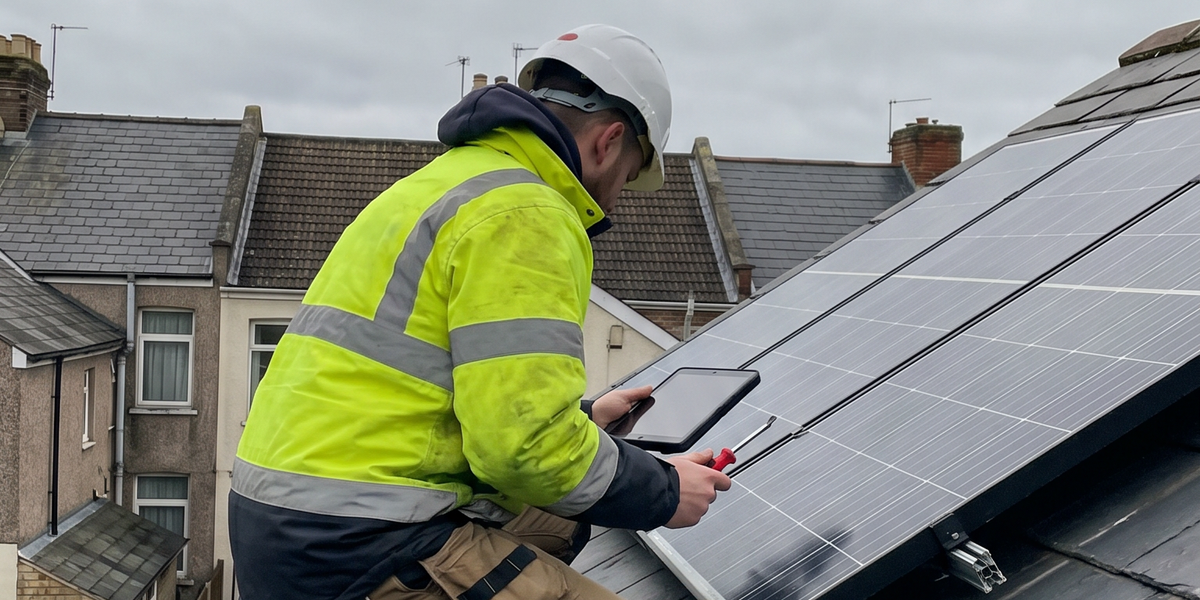
Not all solar checks are equal. A proper inspection by a qualified engineer goes well beyond a visual glance at whether the panels look clean. At No1 Solar Care, our Solar MOT is a thorough assessment of every element of your system.
A full professional inspection should check the physical condition of each panel for micro-cracks, delamination, hotspots, and surface soiling. It should assess the mounting and racking structure for corrosion, loose fixings, or movement that could affect both performance and roof integrity. The inverter should be checked against its expected output, and all DC and AC connections should be inspected for signs of degradation or water ingress. String performance data should be reviewed to identify any panels that are underperforming relative to the rest of the array.
For homeowners in Dorset and Hampshire who have older systems, particularly those still operating under the Feed-in Tariff, keeping that equipment in good working order is especially important. A fault that goes undiagnosed on a legacy system can reduce or eliminate the export payments you have been receiving for years. This article on Feed-in Tariff systems and maintenance in 2026 explains the particular risks and how to manage them.
South Coast Conditions Demand Extra Attention
Homeowners across the South Coast face environmental conditions that put extra strain on solar installations compared to many other parts of the UK. The proximity to the sea means salt air, higher average wind exposure, and the kind of storm events that can shift panel fixings or cause minor physical damage that worsens over time.
Bournemouth, Poole, Christchurch and the wider Dorset and Hampshire coastline all sit within the zone where these factors are most pronounced. A panel system that might go three or four years without needing attention in an inland location may need more frequent checks here simply due to the environment it is operating in.
Storm damage is another factor. Tiles shift, fixings loosen, and panels can take impacts that are not obvious from the ground but that affect both output and watertightness. If your system has been through any significant weather recently, this guide on storm damage to solar panels sets out what to look for and who is responsible for what.
Are You Getting the Most from Your Export Payments?
One area where many solar owners are quietly losing value is in their Smart Export Guarantee arrangements. The SEG requires licensed energy suppliers to pay you for electricity you export back to the grid, but the rates vary significantly between suppliers and tariffs. If you signed up to an SEG agreement some time ago and have not reviewed it since, there is a reasonable chance you are not on the best available rate.
Beyond the tariff itself, you can only export what your panels actually generate. A system running below capacity exports less, and at a time when SEG payment rates are worth reviewing in 2026, it makes sense to ensure your system is generating as much as it possibly can.
Simple Steps That Make a Real Difference
While professional inspections are the foundation of good solar maintenance, there are things homeowners can do between visits to keep tabs on system health. Monitoring your generation data regularly is the most important habit. Most modern inverters come with an app or online portal that shows daily, monthly and annual output figures. If you notice a sustained dip in generation that cannot be explained by weather, that is a signal worth investigating.
You should also carry out a visual check from the ground periodically, particularly after storms or high winds. You are not looking for anything technical at this stage, just obvious physical damage, significant debris accumulation, or panels that appear to have shifted.
For a structured approach to ongoing care, this solar panel maintenance checklist for UK homeowners gives a practical framework you can follow throughout the year.
If you are not sure where your system currently stands, the quickest starting point is to take a free 60-second solar health check on the No1 Solar Care website. It takes under a minute and gives you an immediate sense of whether your system is likely to need attention.
The Case for Annual Professional Maintenance
There is sometimes a reluctance among homeowners to spend money on maintenance for something that appears to be working fine. Solar panels are silent and have no moving parts, which creates a false impression that they need no attention. In reality, the absence of obvious faults does not mean the system is performing optimally.
An annual Solar MOT service from No1 Solar Care provides a documented record of your system's condition, identifies any issues before they become expensive problems, and gives you the confidence that your investment is protected. Given the elevated value of every unit of electricity your system generates in the current energy market, the case for spending a modest amount on professional maintenance has never been stronger.
The complete guide to solar panel maintenance on the South Coast covers everything from cleaning schedules to professional servicing and is a useful reference point if you want the full picture.
Frequently Asked Questions
How do rising energy costs affect my solar panel ROI?
When electricity unit prices are high, every kilowatt-hour your panels generate is worth more. That makes underperformance more costly than it used to be. If your system is running at reduced output due to soiling, faults or degradation, the financial loss you are incurring each year is proportionally larger than it was when energy was cheaper.
How often should I have my solar panels professionally inspected?
For most South Coast homeowners, an annual professional inspection strikes the right balance. Properties in exposed coastal locations around Bournemouth, Dorset and Hampshire may benefit from checks every 12 months without exception, given the additional wear from salt air and coastal weather conditions.
What does a Solar MOT from No1 Solar Care include?
The Solar MOT service covers a full physical inspection of your panels, mounting structure, inverter, and all connections. The engineer checks for micro-cracks, hotspots, soiling, corrosion, and performance data anomalies. You receive a written report of findings and any recommended remedial work. Learn more about what a Solar MOT involves.
Can dirty panels really reduce my energy savings significantly?
Yes. Research consistently shows that heavily soiled panels can lose between 10% and 25% of their output. In a coastal environment like the South Coast, salt residue compounds the problem. At current electricity prices, even a 10% reduction in output represents a meaningful financial loss over the course of a year.
How do I know if my solar panels are underperforming?
The most reliable method is comparing your current generation figures against historical data from the same period in previous years, or against the estimated output figure in your original installation documents. Unexplained drops are a signal to investigate. This article covers nine common causes of low solar panel output.
Are solar panels in Dorset and Hampshire at higher risk of damage than elsewhere?
Coastal locations face greater exposure to salt air, wind-driven debris, and storm weather than most inland areas. This does not mean panels fail faster automatically, but it does mean routine inspections are more important. Catching minor corrosion or fixings movement early prevents what could become a costly problem.
Is it worth getting a solar health check even if my system seems to be working fine?
Absolutely. Many performance issues are invisible without specialist equipment and do not trigger any obvious alarms. A system can appear fully operational while running noticeably below its potential. Start with a free 60-second solar health check to get an initial picture, then book a full inspection if anything flags up.
Book your Solar MOT today. Call 01202 023069 or visit no1solarcare.co.uk/solar-mot