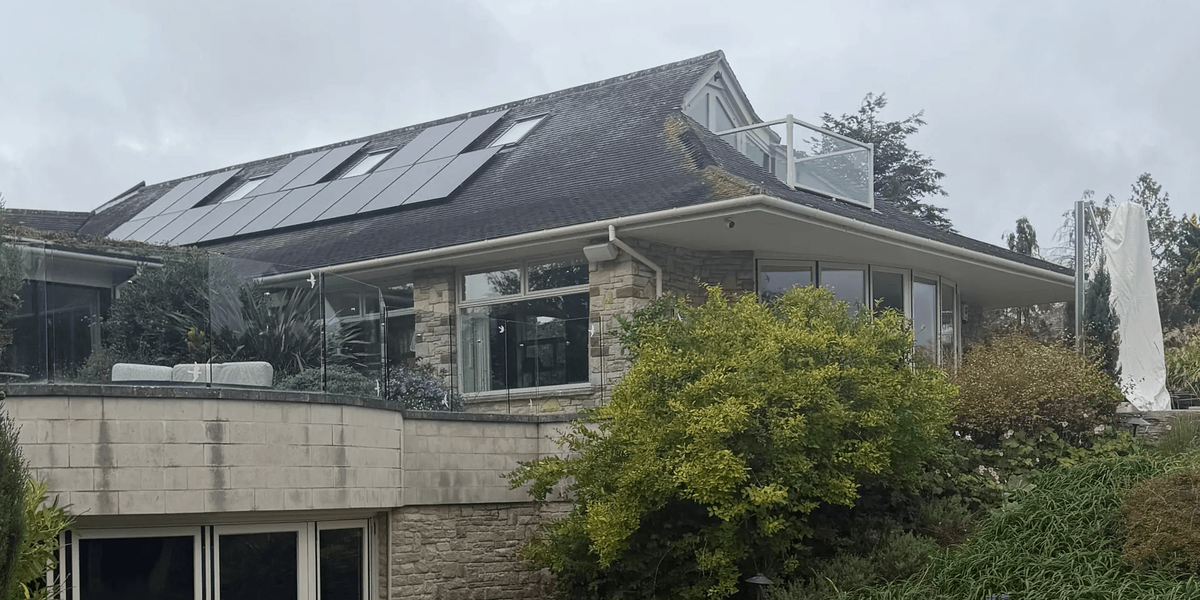
Spring Solar Panel Health Check: Get Your System Ready for Peak Season
Spring arrives, the days stretch out, and your solar panels should be gearing up for their most productive months of the year. But if your system has spent winter collecting grime, bird droppings, and salt residue from coastal winds, it may not be ready to deliver the output you are counting on. That is why spring solar panel maintenance is one of the most valuable things a homeowner on the South Coast can do before the peak season gets underway.
At No1 Solar Care, based in Bournemouth and serving homeowners across Dorset, Hampshire, and the wider South Coast, we see the same story every spring. Systems that looked fine on the surface are quietly underperforming, and owners have no idea until they check their monitoring data against what they should be generating. A few hours of attention in March or April can mean significantly more electricity generated across June, July, and August, which is exactly when that electricity is worth the most.
Why Spring Is the Right Time for Solar Panel Maintenance
There is a reason experienced solar owners treat spring as a reset point. After months of short days, frequent rainfall, and stormy weather, panels accumulate a surprising amount of debris. Algae and moss take hold in damp conditions. Lichen can start to bind itself to the glass surface. And if you are on the South Coast, salt air is a constant adversary, leaving a thin crystalline film that is almost invisible but measurably reduces light transmission.
According to the Energy Saving Trust, a well-maintained solar panel system can deliver meaningful savings on household energy bills across its lifetime, but that assumes the system is actually performing as it should. Fouled or damaged panels can lose 15 to 25 percent of their output without triggering any obvious alarm. The losses accumulate silently.
Spring also gives you time to identify and fix problems before the summer peak. If a panel has a micro-crack, an inverter is struggling, or a junction box connection has corroded over winter, catching it in April means you have it repaired before the long high-output days in June. Waiting until something is visibly wrong usually means waiting until performance has already suffered for weeks.
What a Spring Solar Panel Check Should Actually Cover
Panel Surfaces and Glass Condition
Start with what you can see from the ground using binoculars if necessary. Look for obvious soiling, bird fouling, moss growth, and any signs of discolouration or yellowing in the cells visible through the glass. Yellowing often indicates delamination or moisture ingress, both of which are serious issues that need professional assessment. You can find more detail on what these symptoms mean in our guide to why solar panels stop generating enough power.
Do not climb onto your roof to inspect panels yourself. The Health and Safety Executive is clear that working at height is one of the leading causes of serious injury and fatality in the UK. Any hands-on inspection or cleaning should be carried out by trained professionals with appropriate equipment and insurance.
Inverter Performance and Error Codes
Your inverter is the brain of the system, converting the DC electricity your panels generate into usable AC power for your home. Spring is a good time to check the display for any stored error codes or warning lights that may have appeared over winter. Many homeowners glance at the inverter daily without actually noting what it is telling them.
Common issues include ground fault errors, isolation faults, and communication failures between the inverter and monitoring systems. If your inverter is displaying anything unusual, our complete inverter troubleshooting guide covers the most common fault codes and what they mean for UK homeowners.
Mounting Frames and Fixings
Mounting hardware takes a battering over winter, particularly on the South Coast where Atlantic storms bring genuine wind loads. Look from the ground for any panels that appear to have shifted position, any visible gaps in flashing around roof penetrations, and any signs of rust or corrosion on exposed metalwork. Salt air in coastal areas like Bournemouth and the surrounding coastline accelerates corrosion significantly, which is something we discuss in depth in our article on how salt air damages solar panels on the South Coast.
Generation Data and Monitoring
Pull up your generation data for the past 12 months and compare it against the same period in previous years. Most monitoring apps allow you to do this. If your system is generating noticeably less than it did at the same point last year, and the weather has been broadly similar, something is wrong. A drop of 10 percent or more year on year is a red flag that warrants investigation.
If you do not have a monitoring system, or if you are not sure how to interpret what you are seeing, our 60-second solar health check is a good place to start.
The Salt Air Problem on the South Coast
Homeowners in Bournemouth, Poole, Christchurch, and along the Hampshire coast face a maintenance challenge that inland solar owners simply do not have to think about. Salt-laden air deposits fine particles on panel surfaces constantly, and unlike ordinary dust, salt does not simply wash off in the rain. It bonds to the glass, creates an uneven surface, and over time can cause micro-abrasion that permanently reduces transparency.
This is not a theoretical risk. Solar Energy UK, the industry trade body, recognises coastal exposure as a significant factor in panel degradation rates and maintenance schedules. Systems within a few kilometres of the sea typically need more frequent professional cleaning than those further inland, and should be inspected more carefully each spring for early signs of salt damage.
The good news is that this kind of damage is almost entirely preventable with the right maintenance routine. You can read more about how solar panel efficiency degrades over time and what actually drives those losses beyond the manufacturer's standard projections.
What Our Solar MOT Includes
A visual inspection from the ground is useful, but it only tells you part of the story. Our Solar MOT is a comprehensive professional health check designed to give South Coast homeowners a complete picture of their system's condition and performance.
The service covers a detailed inspection of every panel using thermal imaging to identify hot spots, cell damage, and bypass diode failures that are invisible to the naked eye. Hot spots are a particular concern because they indicate a panel is absorbing rather than generating energy, which degrades the cell and in rare cases can present a fire risk. We also carry out electrical safety checks on the inverter, isolators, and DC wiring, check all mounting hardware and roof penetrations, clean the panels using appropriate equipment and purified water, and provide a written report with any recommendations.
For homeowners who have not had their system checked since installation, or whose installer has since gone out of business, the Solar MOT provides the kind of independent assurance that is genuinely difficult to get elsewhere. Our article on what to do when your solar installer goes bust explains why independent servicing becomes so important in those situations.
If you want to understand what professional maintenance actually costs across the industry, our guide to solar panel maintenance costs in the UK gives a clear breakdown of what homeowners typically pay and what that money covers.
Spring Cleaning: What You Can Do Yourself
There are a few things homeowners can safely do without getting on the roof. Clearing gutters and downpipes near the array helps prevent debris from washing back onto panels during rainfall. Trimming back any overhanging branches that have grown closer to the panels over spring is also worthwhile, as shading even a single panel in a string system can drag down the output of every other panel in that string.
You can also check that your monitoring system is connecting correctly and logging data, verify that your export meter is recording, and review your Smart Export Guarantee payments if you are exporting to the grid. Ofgem's Smart Export Guarantee scheme requires licensed energy suppliers to offer export tariffs, but the rates vary significantly between suppliers and it is worth checking you are getting a competitive rate heading into the summer months.
For a thorough self-assessment framework, our solar panel maintenance checklist for UK homeowners covers every item worth checking and gives guidance on what needs professional attention.
Birds, Nests, and Other Surprises
Spring brings nesting season, and solar panels are one of the most attractive nesting sites available to birds like starlings, sparrows, and pigeons. The gap between the panel and the roof provides shelter, warmth, and protection from predators. Once a colony is established, nesting material accumulates, damp conditions develop underneath the panels, and wiring can be damaged by pecking or gnawing.
If you have noticed birds gathering around your panels, it is worth acting before nesting begins rather than after. Once eggs are laid, many species are legally protected and the nest cannot be disturbed. Our detailed guide on birds nesting under solar panels explains what to do and how to protect your system with appropriate bird-proofing measures.
Making the Most of the South Coast's Solar Advantage
Bournemouth and the surrounding South Coast genuinely benefits from some of the highest solar irradiance levels in the UK. The Met Office data consistently shows that Dorset and Hampshire receive more annual sunshine hours than most of England, which makes a properly maintained solar system here considerably more valuable than the same system installed further north.
That advantage is only fully realised, though, when the system is clean, structurally sound, and electrically healthy. A system running at 80 percent capacity in a high-sunshine location is still underperforming relative to its potential. Getting ahead of maintenance in spring rather than reacting to problems in summer is the single most effective thing you can do to protect your solar investment.
If you are thinking about whether your current system is delivering the returns you expected, our article on how rising energy costs make solar maintenance more valuable than ever puts the numbers into context.
For those with older Feed-in Tariff systems who want to protect those legacy payments while maximising output, our Solar MOT service is particularly relevant. Degraded or poorly maintained FiT systems are quietly losing generation they will never recover, and the older the system, the more important regular professional inspection becomes.
Frequently Asked Questions
What does spring solar panel maintenance actually involve?
Spring solar panel maintenance covers cleaning panel surfaces, inspecting for physical damage or soiling, checking inverter error logs, reviewing generation data against previous years, assessing mounting hardware, and identifying any shading from new growth. A professional inspection like our Solar MOT also includes thermal imaging and electrical safety checks.
How often should solar panels be professionally serviced?
Most manufacturers and industry bodies recommend a professional service at least once a year. For homeowners on the South Coast, particularly those in coastal areas around Bournemouth and Poole, twice yearly is often sensible given the salt air exposure and storm activity. Annual servicing at minimum helps catch issues before they affect seasonal output.
Can I clean my solar panels myself?
You can rinse panels from ground level using a hose if you can reach them safely, but getting onto the roof is not recommended for homeowners. The HSE treats working at height as a significant hazard. Professional cleaning uses purified water, appropriate brushes, and safe access equipment, and is far more effective than a domestic hose.
Will dirty panels really affect my output that much?
Yes, measurably so. Heavy soiling, bird fouling, or a salt film can reduce panel output by 15 to 25 percent. In high-sunshine months on the South Coast, that represents a significant loss of free electricity. Panels that look reasonably clean to the eye can still carry a performance-reducing film that professional cleaning removes.
What is the Solar MOT and who is it for?
The Solar MOT service is a comprehensive health check for residential solar panel systems, carried out by No1 Solar Care across Bournemouth, Dorset, Hampshire, and the wider South Coast. It is suitable for any homeowner who wants to confirm their system is safe, compliant, and performing as it should, whether newly installed or over a decade old.
My panels were installed years ago and I have never had them checked. Is it too late?
It is never too late to have a system assessed. Older systems are actually the ones that most benefit from a professional inspection, as components degrade over time and early generation systems may have wiring or inverter technology that needs attention. If your original installer is no longer trading, independent servicing from a specialist like No1 Solar Care is the right route.
What spring solar panel maintenance steps can I take right now from the ground?
Check your inverter display for error codes or warning lights, review your generation monitoring data and compare it to the same period last year, look at panels from the ground for visible soiling or damage, trim any branches shading the array, clear gutters nearby, and take our 60-second solar health check to get a quick sense of whether your system needs attention.
Book your Solar MOT today. Call 01202 023069 or visit no1solarcare.co.uk/solar-mot