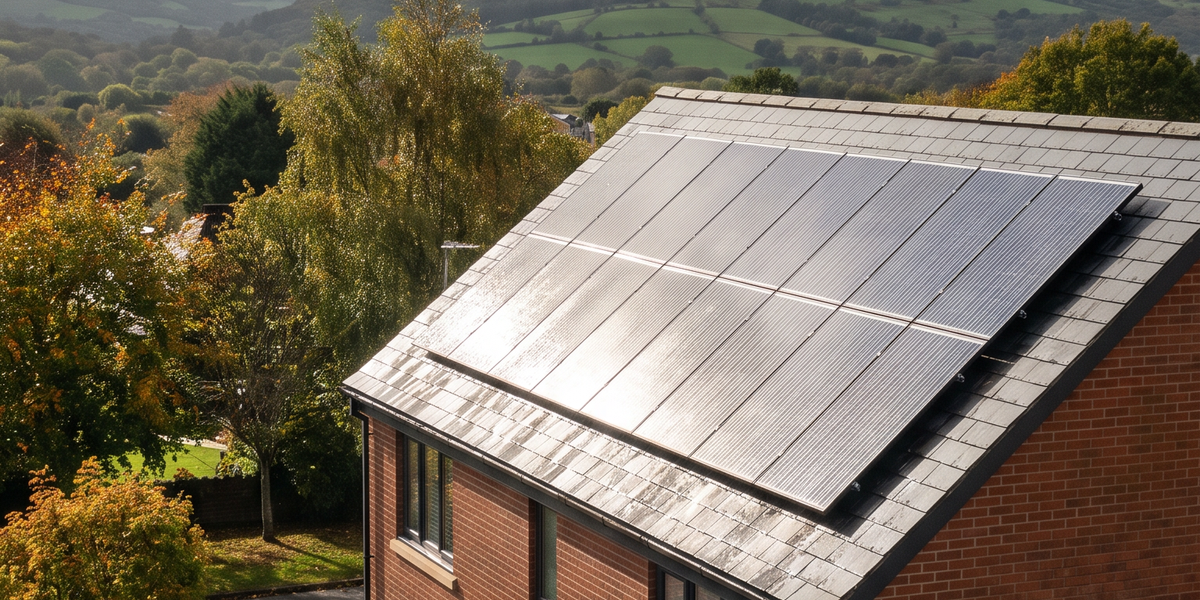
Solar Panel Maintenance in Cardiff: The Complete 2026 Guide
Solar panels are one of the best long-term investments a homeowner can make, but they only stay that way if they're looked after properly. If you're searching for reliable advice on solar panel maintenance Cardiff, this guide covers everything you need to know in 2026, from the specific weather challenges Welsh homeowners face to what a professional inspection actually involves and how to spot the warning signs before a small issue becomes a costly repair.
Why Solar Panel Maintenance Matters More Than Ever in 2026
Energy bills across the UK remain elevated, and the value of every unit your solar system generates has never been higher. Ofgem's ongoing price cap reviews mean that household electricity costs can shift from quarter to quarter, and homeowners who rely on solar panels to reduce their exposure need those panels working at full efficiency.
The uncomfortable truth is that solar panels degrade over time even under ideal conditions. research into solar panel degradation rates shows that poorly maintained systems can lose significantly more output annually than well-maintained equivalents. A panel that generates ten percent less than it should isn't just a minor inconvenience. Over a decade, that shortfall compounds into a real financial loss.
For Cardiff homeowners specifically, the challenge is compounded by a climate that's wetter and cloudier than the South Coast of England. That doesn't mean solar doesn't work well in Wales. It absolutely does. But it does mean that maintenance needs to be taken seriously.
Cardiff's Climate and What It Means for Your Solar Panels
Cardiff receives around 1,600 hours of sunshine annually, which is lower than Bournemouth's average but still more than enough to make solar a worthwhile investment. The bigger issue isn't the sun hours. It's the rain, the humidity, and the particular mix of airborne deposits that Cardiff panels have to deal with.
Rainfall and Soiling
While rain does wash some surface dust away, it rarely does a thorough job. Light rainfall leaves behind a residue of dirty water that dries on the glass surface, building up a thin film over time. In urban areas like Cardiff, this film contains particulates from traffic and industry. In areas closer to the Bristol Channel, panels also pick up salt deposits from sea air, a problem that's well documented along the South Coast and equally relevant wherever coastal winds carry salt inland.
Moss, Lichen and Organic Growth
Cardiff's damp climate creates ideal conditions for moss and lichen to take hold on roof surfaces, and solar panels are not immune. Organic growth along the edges and lower surfaces of panels blocks light and traps moisture against the frame, accelerating corrosion. Left untreated, this can cause microcracks in the panel cells and reduce output significantly. The Energy Saving Trust estimates that dirty or obstructed panels can lose up to 25% of their generating capacity, though real-world figures vary by system age and local conditions.
Winter Storms and Wind Loading
The Met Office regularly records elevated wind speeds across South Wales during the autumn and winter months. Storm events can loosen panel fixings, shift racking systems, and drive water into junction boxes or behind panel frames. After any significant storm, it's worth doing a visual check from ground level to look for panels that appear displaced or frames that look bent.
The Core Elements of Solar Panel Maintenance
Maintaining a solar system properly means attending to several different things at once. Cleaning is the part most homeowners think of first, but it's only one piece of the picture.
Professional Cleaning
Solar panels should be cleaned with deionised water and specialist equipment. Using tap water leaves mineral deposits behind, and using household cleaning products can scratch the anti-reflective coating or void your warranty. A clean done correctly removes organic growth, soiling, bird fouling and salt residue without damaging the surface. For most Cardiff homes, a professional clean once or twice a year is appropriate.
Performance Monitoring
If your inverter has a monitoring app or display, get into the habit of checking it monthly. A sudden unexplained drop in output is often the first sign of a problem, whether that's a failing string, a shading issue, or an inverter beginning to fail. Many homeowners only realise something is wrong when they notice their energy bills haven't improved as expected. If your panels are generating noticeably less than they were at the same time last year and the weather has been comparable, something needs investigating. Our guide on why solar panels stop generating enough power walks through the nine most common causes in detail.
Inverter Health
The inverter is the heart of your solar system. It converts DC electricity from your panels into the AC electricity your home uses. Most string inverters have a lifespan of around ten to fifteen years, which means many systems installed during the UK's solar boom of 2010 to 2013 are now approaching inverter replacement territory. Inverter problems often announce themselves through error codes, unusual noises, or the system failing to start up on sunny mornings.
Bird Proofing
Pigeons and starlings frequently nest under solar panels, attracted by the warmth and shelter the gap between panel and roof provides. The damage they cause is twofold: physical damage to wiring from pecking and nesting material, and significant soiling from droppings directly on panel surfaces. If you've noticed birds gathering on or around your roof, read our advice on what to do when birds nest under solar panels before the problem escalates.
What a Professional Solar Inspection Covers
A professional annual inspection goes well beyond what any homeowner can reasonably do from ground level. No1 Solar Care's Solar MOT service is designed to give homeowners a complete picture of how their system is performing and where issues may be developing.
During a Solar MOT, a trained engineer checks the physical condition of every panel for microcracks, delamination, discolouration, and frame damage. They inspect the mounting system and fixings for corrosion or movement, test the inverter and check all electrical connections, review generation data against expected output for your system size and location, and identify any shading issues from new growth or structural changes to the property.
This kind of thorough assessment is particularly valuable for systems that are five years old or more. UK data on the cost of neglecting solar panels consistently shows that systems which receive no professional attention see their output decline faster and face more expensive repair bills further down the line.
Based in Bournemouth, No1 Solar Care serves homeowners across the South Coast and beyond. The Solar MOT is straightforward to arrange and gives you documented evidence of your system's condition, which is useful both for your own records and for any insurance or warranty claims.
Solar Panel Maintenance and Your Warranties
Many solar panel manufacturers include a performance warranty of 25 years, guaranteeing the panel will still produce a certain percentage of its rated output at the end of that period. What some homeowners don't realise is that neglecting maintenance can give manufacturers grounds to dispute warranty claims if damage or underperformance is found to result from a lack of care.
This is particularly relevant for systems installed through schemes like the Feed-in Tariff, which Ofgem administers for legacy recipients still receiving payments. If you're on the FiT, your system's continued performance directly affects the payments you receive, making maintenance a financial priority rather than just a precaution. There's further detail on keeping older systems running well in our guide to Feed-in Tariff systems in 2026.
For newer systems, the Smart Export Guarantee pays you for surplus electricity exported to the grid, and a well-maintained system naturally exports more than a dirty or partially failing one.
Always ensure any contractor working on your panels is MCS certified, as this is a minimum standard for quality assurance in the solar industry and is often required by insurers and warranty providers.
DIY Maintenance: What's Safe and What Isn't
There are a few things Cardiff homeowners can reasonably do themselves. Checking your monitoring app regularly costs nothing and takes two minutes. Keeping gutters and nearby trees trimmed to reduce shading and debris landing on panels is sensible housekeeping. After a storm, a careful ground-level visual check for obvious damage is entirely appropriate.
What isn't safe is getting onto the roof without proper training and equipment. The Health and Safety Executive is clear that working at height carries serious risks, and domestic roofs are among the most hazardous environments for falls. Using a hosepipe on panels from ground level is tempting but often ineffective and risks creating water ingress around cable entry points. For anything beyond basic visual monitoring, booking a professional inspection is the right call.
If you're unsure how your system is currently performing, start with our free 60-second solar health check to get an instant sense of whether your system might need attention.
How Often Should Cardiff Homeowners Service Their Panels?
As a general rule, a professional inspection once a year is the right starting point for most systems. In Cardiff's climate, where organic soiling and damp conditions are persistent, a professional clean every six to twelve months may also be warranted depending on your roof's orientation, surrounding vegetation, and proximity to the coast or urban pollution.
Systems that are older than ten years should be inspected more frequently, as component wear accelerates and the risk of electrical faults increases. If your system was installed as part of a government scheme and you're still receiving payments, an annual Solar MOT service is strongly recommended to protect both your income and your equipment.
For a detailed seasonal breakdown, our solar panel maintenance checklist for UK homeowners provides practical monthly and quarterly tasks you can follow throughout the year.
If you're also curious about how maintenance costs compare nationally, our breakdown of what homeowners actually pay for solar panel maintenance in 2026 gives a clear picture of what's reasonable to expect.
Frequently Asked Questions
How often should I arrange solar panel maintenance in Cardiff?
For most Cardiff homeowners, a professional inspection once a year is the minimum. Given the city's wet climate and urban soiling, a professional clean every six to twelve months is also advisable. Older systems or those with existing performance issues should be inspected more frequently to catch problems before they worsen.
Can I clean my solar panels myself?
Ground-level cleaning attempts using a hosepipe are rarely effective and can cause water ingress around cabling. Accessing your roof without professional equipment creates serious fall risks. For safe and thorough results, professional cleaning using deionised water and specialist tools is always the better option.
Will my solar panels still work well during Cardiff's cloudy winters?
Yes. Solar panels generate electricity from daylight, not direct sunshine. Output is lower in winter, but a well-maintained system will still produce a useful amount of energy on overcast days. Keeping panels clean and free of debris maximises what your system can capture even in low-light conditions.
What are the signs my inverter might be failing?
Common signs include error codes on the inverter display, the system failing to start on sunny mornings, unusual buzzing sounds, or a noticeable unexplained drop in generation output. Inverters typically last ten to fifteen years, so systems installed before 2015 may be approaching end of life.
Does No1 Solar Care cover Cardiff for solar panel maintenance?
No1 Solar Care is based in Bournemouth and primarily serves homeowners across the South Coast, including Dorset and Hampshire. For Cardiff-specific servicing, we recommend using our free solar health check tool and our guides to find appropriately qualified local engineers who are MCS certified.
How does solar panel maintenance affect my warranty?
Neglecting maintenance can give manufacturers grounds to dispute performance warranty claims if they can show damage or degradation resulted from a lack of care. Keeping records of annual inspections and professional cleans provides documented evidence of due diligence, which is valuable if you ever need to make a claim.
What is a Solar MOT and do I need one?
A Solar MOT is a thorough professional inspection of your entire solar system, covering panels, wiring, mounting, and inverter. It identifies faults, potential failures, and efficiency losses that aren't visible from ground level. Any system that hasn't been professionally inspected in the past year would benefit from one.
Book your Solar MOT today. Call 01202 023069 or visit no1solarcare.co.uk/solar-mot