Solar Battery Storage in 2026: Is It Worth It for South Coast Homeowners?
Solar Battery Storage UK 2026: What South Coast Homeowners Need to Know
If you have solar panels and you're wondering whether to add battery storage in 2026, you're not alone. The question of whether solar battery storage UK 2026 is genuinely worth the money is one of the most common things homeowners along the South Coast ask us. Prices have dropped considerably over the past few years, export tariffs have changed how the numbers stack up, and energy bills remain stubbornly high. The short answer is that for many households in Bournemouth, Dorset, and across Hampshire, a battery can make a real difference. But the longer answer depends on your usage patterns, your existing setup, and the condition of your solar system.
This article looks at everything you need to consider before committing to a battery, including what systems are available, what you can realistically expect to save, and why the health of your existing solar installation matters more than most people realise.
How Solar Battery Storage Actually Works
The idea is straightforward. Your solar panels generate electricity during daylight hours, and any power you don't use at that moment either gets sent to the grid or, if you have a battery, gets stored for use later. On a bright day in summer, a typical domestic solar system in the South of England can generate far more power than a household uses during working hours. Without a battery, that surplus goes to the grid and you receive a small export payment. With a battery, you hold onto that energy and use it in the evening when demand in your home is highest.
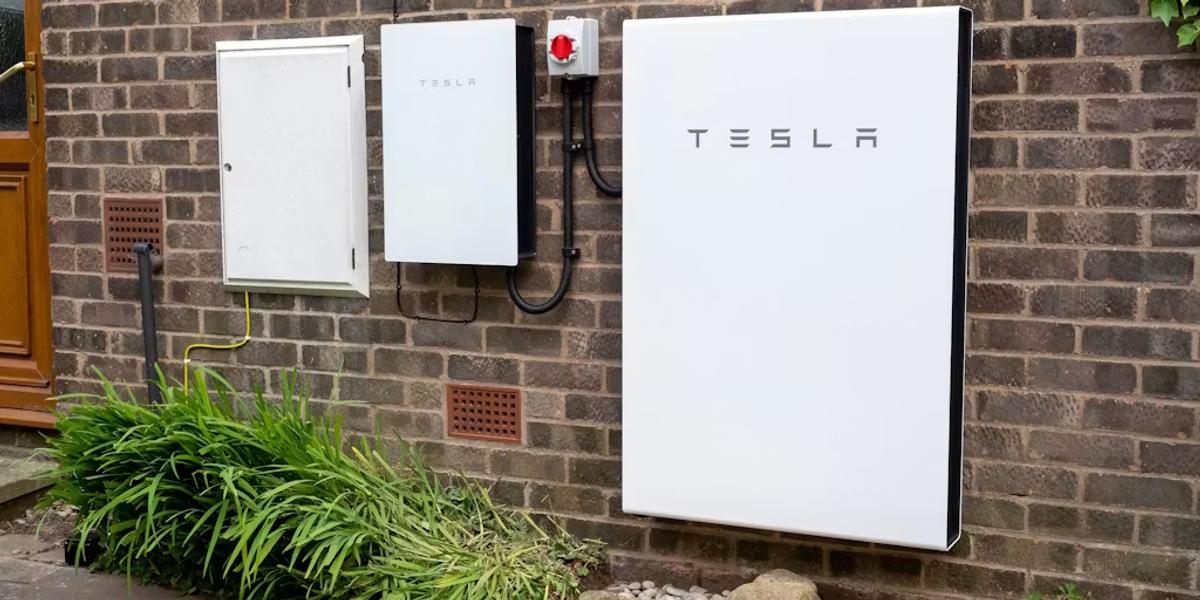
Most home battery systems available in 2026 are lithium-ion units that sit alongside your inverter and integrate with your existing solar setup. Capacity typically ranges from around 5 kilowatt-hours for a small system to 15 kilowatt-hours or more for larger installations. A 10 kilowatt-hour battery, which is roughly mid-range for most family homes, can cover a significant portion of evening electricity use.
AC-Coupled vs DC-Coupled Systems
When you're exploring battery storage, you'll come across these two terms. AC-coupled systems connect to your home's AC supply and work independently of your existing inverter, making them easier to retrofit onto older solar installations. DC-coupled systems sit between the panels and the inverter, which can be more efficient because energy conversion losses are lower. For most existing solar customers in Bournemouth and across Dorset who are retrofitting a battery, AC-coupled systems are usually the more practical choice. A qualified installer will assess which suits your setup.
What Does Solar Battery Storage Cost in 2026?
Prices have come down significantly. In 2026, a quality home battery system with installation typically ranges from around £4,000 for a smaller unit to £8,000 or more for a larger, premium system. Brands like Tesla Powerwall, GivEnergy, SolarEdge and Growatt are all competitive options at various price points, each with different warranty terms and smart features.
The payback period is the figure most homeowners focus on, and it varies quite a bit. Someone working from home in Bournemouth who uses a lot of electricity during the day already self-consumes a good chunk of their solar generation. Adding a battery will help them but perhaps less dramatically than a household where everyone is out between 8am and 6pm and the solar panels are generating unattended. For the second household type, the savings can be substantial because they're displacing expensive grid electricity in the evening with free solar energy they would otherwise have exported.
At current electricity prices, which remain well above pre-crisis levels, many households are seeing payback periods of between seven and twelve years. That sounds like a long time, but most modern batteries carry a ten-year warranty, and once paid back, the savings are pure gain.
The Smart Export Guarantee and Why Batteries Make Sense Alongside It
The Smart Export Guarantee (SEG) means your energy supplier pays you for electricity you export to the grid. Rates vary between suppliers but have generally been modest, sitting around 4 to 15 pence per kilowatt-hour depending on which tariff you're on. Compare that to what you pay to import electricity, which for most households on standard tariffs is somewhere between 24 and 28 pence per kilowatt-hour in 2026. Using your own stored solar energy instead of buying from the grid at peak times is significantly more valuable than exporting it. That gap in value is exactly what makes battery storage attractive right now.
Some households are also taking advantage of time-of-use tariffs, such as Octopus Energy's Intelligent or Flux tariffs, which offer very cheap overnight electricity rates. A battery charged overnight on cheap rate electricity and discharged during peak hours can stack additional savings on top of the solar benefit, though this strategy works best if you're comfortable managing the system's settings.
How Much Solar Does the South Coast Actually Generate?
This matters because a battery is only useful if there's enough solar generation to fill it. The South Coast is one of the better parts of the UK for solar irradiance. Bournemouth, in particular, typically receives around 1,600 to 1,700 hours of sunshine per year, which is among the highest in England. Hampshire and Dorset both benefit from this southern position. A well-maintained 4 kilowatt-peak solar system in this region might generate between 3,500 and 4,000 kilowatt-hours annually in reasonable conditions.
That figure, though, assumes the system is performing as it should. Dirty panels, a degraded inverter, faulty connections or shading from growing trees can all quietly reduce output without triggering any obvious alarm. A system that looks fine from the ground might be operating at 70 or 80 percent of its potential. If that's the case, adding a battery won't fix the underlying problem and you won't see the savings you expect.
Why System Health Matters Before You Invest in a Battery
This is something we see regularly at No1 Solar Care. Homeowners who've had their panels for four or five years decide it's time to add a battery and spend several thousand pounds doing so, only to find the returns are disappointing. In many cases, the issue isn't the battery at all. It's that the solar system itself has been quietly underperforming.
Before committing to battery storage, it's worth having your solar panels and inverter thoroughly checked. Our Solar MOT, priced at £195, is designed precisely for this. We inspect your panels for soiling, micro-cracks, hotspots and connection issues, check the inverter's performance data and test the overall output of the system. If there are problems, we'll tell you clearly what they are and what they'll cost to fix. Many customers find that a Solar MOT followed by a professional clean brings their system back up to full output, which changes the case for battery storage from marginal to genuinely worthwhile.
It's not good practice to bolt an expensive battery onto a system that isn't performing properly. You'd be storing less energy than you should and your savings calculations would all be based on faulty assumptions.
Choosing the Right Battery for Your Home
Matching Battery Capacity to Your Usage
A common mistake is buying too small a battery to make a meaningful difference or oversizing and not having the solar generation to fill it reliably. A qualified installer should look at your annual solar generation data, your household's electricity consumption patterns, and your peak demand times before recommending a size. Most family homes in the South Coast region find that a battery in the 9.5 to 13.5 kilowatt-hour range works well, giving enough storage to cover a typical evening without paying for unused capacity.
Warranty, Degradation and Long-Term Performance
Battery capacity degrades over time, just like a phone battery. Most reputable manufacturers guarantee that the battery will retain at least 70 to 80 percent of its original capacity after ten years. When you're comparing models, look closely at the warranty terms rather than just the upfront price. A cheaper battery with a shorter or more limited warranty may cost more in the long run.
Is Battery Storage Worth It for South Coast Homeowners in 2026?
For most households in Bournemouth, Dorset and across Hampshire who have south or south-west facing panels, good solar generation and significant evening electricity use, yes, it genuinely is worth considering. The financial case is strongest for households that are out during the day and use most of their electricity in the evenings, for those on time-of-use tariffs who can charge cheaply overnight, and for anyone with a larger solar system that regularly exports significant amounts to the grid.
It's less compelling for households that already self-consume most of their solar generation, those with smaller systems, or anyone whose solar setup is underperforming and hasn't been serviced recently.
The sensible approach is to start with a proper assessment of your existing system. Book a Solar MOT with No1 Solar Care at £195 and get an honest picture of what your panels are actually producing. From there, you can make a properly informed decision about whether adding a battery will deliver the returns you're hoping for. We work with homeowners across the South Coast and regularly help people understand what their system is genuinely doing versus what they think it's doing.
The technology is mature, the costs are reasonable and the South Coast's solar resource is real. For the right household with a well-maintained system, solar battery storage in 2026 is a solid investment.
Frequently Asked Questions
What is the best solar battery storage system in the UK in 2026?
There's no single best option because it depends on your budget, your inverter brand and your energy goals. Popular choices in 2026 include the Tesla Powerwall 3, GivEnergy AIO and Growatt systems. We recommend getting independent advice rather than relying on a single installer who may favour one brand. Compatibility with your existing inverter is a key factor.
How long does it take for a solar battery to pay for itself?
For most South Coast households with a well-performing solar system, payback periods currently sit between seven and twelve years depending on battery size, electricity tariff and usage patterns. Homeowners on time-of-use tariffs who actively manage overnight charging can sometimes see faster returns. Getting your solar system checked before adding a battery ensures your calculations are based on accurate generation figures.
Can I add a battery to my existing solar panels?
Yes, in most cases you can retrofit a battery to an existing solar installation. AC-coupled batteries are the most flexible option for retrofitting as they don't require replacing your current inverter. Your installer will need to assess your existing setup, including the inverter age and capacity, to confirm which type of battery is most suitable. A Solar MOT beforehand is a sensible first step.
Does solar battery storage qualify for any grants or incentives in 2026?
As of 2026, standalone battery storage is VAT-free when installed alongside solar panels, which represents a meaningful saving. There are no universal government grants specifically for home batteries, though some local council schemes exist. It's worth checking whether your local authority in Dorset or Hampshire has any active schemes. The Smart Export Guarantee continues to reward solar households who export excess generation to the grid.
How does solar battery storage UK 2026 compare to previous years in terms of value?
Solar battery storage UK 2026 represents better value than it did three or four years ago. Battery costs have fallen by roughly 30 to 40 percent over that period while electricity prices remain high, making the financial case stronger. Warranty terms have also improved across most leading brands, giving homeowners more confidence in the long-term performance of their investment.
What happens to my battery during a power cut?
This depends on the battery and inverter combination you choose. Some systems, like the Tesla Powerwall, are designed to provide backup power during a grid outage. Others will shut down alongside the grid for safety reasons. If backup capability is important to you, make sure you specify this requirement when choosing your system, as not all batteries offer it as standard and some charge extra for this feature.
How do I know if my solar panels are ready for a battery to be added?
The best way is to have a professional inspection carried out before you commit to any battery purchase. At No1 Solar Care, our Solar MOT at £195 gives you a clear picture of how well your panels and inverter are performing, whether there are any faults or efficiency losses, and whether the system is ready to work effectively with a battery. It's a straightforward step that can save you from an expensive disappointment further down the line.
Book your Solar MOT today. Call 01202 023069 or visit no1solarcare.co.uk