Solar Panel Planning Permission Rules in 2026: What Has Changed
If you have been thinking about installing solar panels, or you already have a system and want to add to it, understanding the solar panel planning permission UK 2026 rules is essential before you do anything. The government has continued to refine permitted development rights over the past few years, and what was true in 2023 or 2024 may not apply in quite the same way today. Whether you are in Bournemouth, across Dorset or further along the Hampshire coast, getting this wrong can cause serious headaches further down the line.
What Are Permitted Development Rights for Solar Panels?
Permitted development rights allow homeowners to carry out certain types of work without needing to apply for full planning permission. Solar panels on domestic properties have been covered by permitted development for some time, but the precise conditions have always mattered. The rules are set out under the Town and Country Planning (General Permitted Development) (England) Order 2015, with various amendments since.
In broad terms, solar panels installed on a roof of a house or flat remain permitted development in 2026, provided they meet a set of conditions. The panels must not protrude more than 200mm beyond the plane of the roof surface. They must not be installed on a wall or roof that fronts a highway if the building is in certain protected areas. And once you no longer need the panels, you are expected to remove them and restore the roof to its original state. These conditions have not changed dramatically, but the way local authorities are interpreting and applying them has evolved.
Solar Energy UK, the industry trade body, has consistently pushed for permitted development rights to be extended and clarified, and some of that lobbying has translated into slightly more flexible guidance for homeowners in recent years.
What Has Actually Changed in 2026?
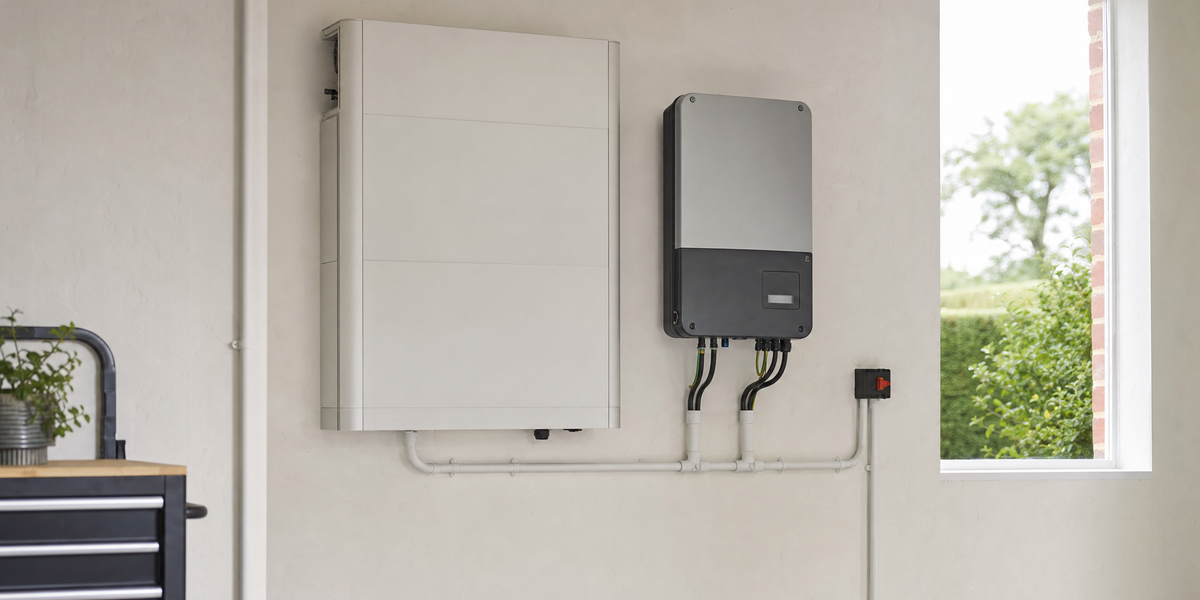
The most significant shift in 2026 relates to battery storage systems and how they interact with planning rules. Previously, the planning status of a battery storage unit attached to an existing solar array was ambiguous. Updated guidance has clarified that a battery storage system installed at the same time as, or alongside, an existing permitted development solar installation is generally treated as part of the same permitted development allowance, as long as the battery is located within the curtilage of the property and is not free-standing in a way that significantly changes the external appearance of the building.
There has also been renewed attention on larger roof areas, particularly on extensions or outbuildings. If you want to add panels to a large outbuilding roof, the classification of that outbuilding matters. A detached garage used for domestic purposes may still fall within permitted development, but commercial-scale installations on outbuildings are increasingly being scrutinised by local authorities. If in doubt, a pre-application enquiry to your local planning department costs little and can save a lot of trouble.
If you are thinking about what solar can offer your household beyond just energy generation, our article on solar battery storage and whether it is worth it for South Coast homeowners covers the financial case in practical terms.
Solar Panel Planning Permission UK 2026: The Exceptions That Still Apply
Listed Buildings and Conservation Areas
Permitted development rights do not apply if your home is a listed building. In that case, you will need both planning permission and potentially listed building consent before installing any solar panels. The same is true for buildings within designated conservation areas, World Heritage Sites, Areas of Outstanding Natural Beauty or National Parks, where additional restrictions apply to roof-mounted panels that would be visible from a road or public space.
Dorset has a significant number of listed properties and conservation areas, particularly around towns like Wareham, Shaftesbury and Swanage. If you live in one of these areas, you should always check with your local planning authority before proceeding. The EPC register can help you understand your property's energy profile, but it will not tell you your planning status, so that check needs to happen separately.
Flats and Leasehold Properties
Permitted development rights for solar panels in 2026 still do not extend to flats in the same straightforward way they do for houses. If you own a leasehold flat, you will almost certainly need consent from your freeholder as well as potentially needing planning permission depending on the building type. This is an area where many homeowners on the South Coast have come unstuck, particularly in Bournemouth where a large proportion of the housing stock is made up of converted Victorian properties split into flats.
New Build Properties and the Future Homes Standard
New builds are increasingly required to incorporate solar as part of planning conditions, ahead of the Future Homes Standard coming into full effect. This is already influencing development across Dorset and Hampshire, with many new housing developments required to include renewable energy provision. Our article on the Future Homes Standard and what it means for solar panel owners in Dorset goes into more detail on how this affects new and existing homeowners alike.
How Local Authorities on the South Coast Are Responding
Local planning authorities have discretion in how they apply national guidance, and the picture across the South Coast is not entirely uniform. Bournemouth, Christchurch and Poole Council, as well as Dorset Council and various Hampshire authorities, have all been updating their local plans to reflect national net zero commitments. In practice this means that most standard domestic solar installations are waved through under permitted development without any issues.
However, there has been a noticeable increase in enforcement action where householders have installed panels that breach the 200mm protrusion limit, or have installed them on front-facing roof slopes in conservation areas without consent. Citizens Advice has seen a corresponding rise in enquiries from homeowners who installed solar in good faith and have subsequently received enforcement notices.
The lesson is straightforward: permitted development covers the vast majority of domestic installations, but you should never assume your specific property qualifies without checking the conditions carefully.
What About Solar Panels on Commercial or Agricultural Properties?
This article focuses primarily on domestic properties, but it is worth covering the basics for anyone who owns a business premises or a farm on the South Coast. Commercial solar installations above a certain capacity have always required planning permission, and the thresholds have been updated in recent years. Ground-mounted systems, which are common on agricultural land across Dorset and Hampshire, are subject to separate rules under Class A of the permitted development order for agricultural buildings, and local authority scrutiny here has increased significantly as solar farm applications have grown.
The Energy Saving Trust provides free and independent guidance for both domestic and small business solar that is regularly updated to reflect policy changes. For anything at scale, getting specialist planning advice before you apply is strongly recommended.
Ground-Mounted Solar Panels and Permitted Development
Ground-mounted solar panels in domestic gardens are subject to slightly different rules than roof-mounted ones. Under permitted development, a ground-mounted system can be installed in a garden without planning permission provided it meets a number of conditions. The system must not exceed four metres in height, must not be installed in front of a wall forming the principal elevation, must not cover an area greater than nine square metres, and only one ground-mounted system is permitted per property.
If you want a larger ground-mounted array, you will need planning permission. This is increasingly relevant as homeowners look to maximise generation, particularly in areas like Hampshire and Dorset where rural properties may have large grounds but constrained roof areas due to heritage restrictions.
For anyone already running a solar system and wondering whether their output matches what it should be, our guide to why solar panels might not be generating enough power is a useful starting point for diagnosing underperformance before calling in a professional.
Does Planning Permission Affect Your Solar Grants or Incentives?
This is a question we hear regularly from homeowners across Bournemouth and the wider South Coast. The short answer is yes, in some cases. To claim the Smart Export Guarantee, where your energy supplier pays you for excess electricity you export to the grid, your installation must be carried out by an MCS-certified installer. The MCS scheme requires installations to comply with relevant planning rules, so an installation that should have had planning permission but did not may not qualify for SEG payments.
Ofgem's Smart Export Guarantee guidance is clear that compliance with all applicable regulations, including planning, is a condition of scheme participation. If you are unsure whether your existing system was correctly installed and registered, a professional inspection from No1 Solar Care can help you understand exactly what you have got and flag any compliance issues that need addressing.
For homeowners who may be eligible for grant funding, our guide to UK solar panel grants and incentives for South Coast homeowners in 2026 covers what is currently available and how to apply.
What to Do If You Are Unsure About Your Property
The single best thing you can do if you are uncertain about your planning position is to contact your local planning authority before you commit to anything. A pre-application consultation costs nothing at most councils, and while the answer you get is not legally binding, it gives you a reliable steer and protects you if things are ever disputed later.
You can also apply for a Lawful Development Certificate if you have already carried out works and want to formalise that they were lawful. This is particularly useful if you are thinking of selling your home and want to give buyers confidence that the solar installation was done correctly. Our article on buying a house with solar panels explains what buyers and sellers should check, and a Lawful Development Certificate is one of the things savvy purchasers will increasingly look for.
Before you get to that point, make sure your system is in good health. The Solar MOT service from No1 Solar Care gives you a thorough inspection of your panels, inverter, wiring and mounting, producing a written report that can also be useful evidence of a well-maintained, compliant installation. It is the kind of documentation that can reassure both buyers and planning officers that your system has been properly cared for.
If you want a quick sense of where your system stands right now, take our free 60-second solar health check to get an instant overview before booking anything further.
The Met Office data consistently shows the South Coast receives among the highest levels of solar irradiance in the UK, which means a well-maintained, correctly installed solar system in Bournemouth or across Hampshire is one of the best investments a homeowner can make. Getting the planning side right from the start protects that investment for the long term.
Frequently Asked Questions
Do I need planning permission to install solar panels on my house in 2026?
In most cases, no. Solar panels on domestic roofs in England are covered by permitted development rights under solar panel planning permission UK 2026 rules, provided they meet conditions such as not protruding more than 200mm beyond the roof plane. However, listed buildings, conservation areas and some flat roofs require separate planning permission.
Have the planning rules for solar panels changed significantly in 2026?
The most notable clarification in 2026 relates to battery storage systems, which are now more clearly treated as part of the same permitted development allowance as the solar installation they serve. Enforcement activity around non-compliant installations has also increased, making it more important to check your specific circumstances before proceeding.
Can I install solar panels in a conservation area?
You may be able to, but permitted development rights are restricted. In a conservation area, panels must not be installed on a wall or roof slope that faces a highway or is visible from a road or public space. You will likely need to apply for planning permission, and the local authority will assess the visual impact on the character of the area.
Does my solar installation need to be MCS certified to claim the Smart Export Guarantee?
Yes. To receive Smart Export Guarantee payments from energy suppliers, your installation must have been carried out by an MCS-certified installer. The MCS framework also requires compliance with planning rules, so an installation that should have had permission but did not may put your SEG eligibility at risk.
What is a Lawful Development Certificate and do I need one for solar panels?
A Lawful Development Certificate is a formal document from your local planning authority confirming that your works were lawful. It is not compulsory for solar panels installed under permitted development, but it provides legal protection and can reassure buyers if you sell your home. It is worth applying for if you have any doubt about whether your installation met the permitted development criteria.
Can I add more solar panels to an existing array without planning permission?
This depends on whether the additional panels still meet the permitted development conditions. If the expanded array still complies with the 200mm protrusion limit and other criteria, you may not need permission. However, if the addition takes the system outside those parameters, or your property is in a protected area, planning permission may be required. Always check before expanding.
Does the type of property I live in affect my solar panel planning permission UK 2026 rights?
Yes, significantly. Houses generally benefit from the fullest permitted development rights. Flats and leasehold properties face additional hurdles including freeholder consent. Listed buildings require listed building consent as well as planning permission. New builds on some developments may have specific planning conditions that restrict or require solar. Always check your specific property type and any conditions attached to it.
Book your Solar MOT today. Call 01202 023069 or visit no1solarcare.co.uk/solar-mot